The Death of Music Scenes (and what we can do about it)

It has been awhile since my last post. In that post I focused on Current Music Realities and the responsibilities and realities that should be examined as we go forward. As I said in that post, all of us bear some responsibility for the current state of affairs. Since that post, there seems to be signs of changes for the positive in some areas, and declines in others. I’ll outline some of the things I see-both good and bad-and suggest a few things we may all want to consider as we move forward.

Present Situation

One thing I will say right from the start is that some of the flickers of energy I was starting to see, especially with regards to musicians, seem to have faded—at least in music communities I’m familiar with. Competition and unwillingness to collaborate and mutually support remains a significant problem. Recent efforts to put together Musicians Collective organizations in two communities had some really inspiring first gatherings. However, it appears that many attendees were really just “sticking their toes in the water” (so to speak), and finding it would take some work and dedication to sustain an entity like this, just slipped into old habits.  Also, several local clubs have either ceased doing live music, or decided to push it more to the side, in favor of other “ventures.” At the same time though, one club (in a smaller community even) has redoubled their focus on live music to the point of even investing in additional space. Their crowds remain enthusiastic and much bigger than many other places. Clearly, a dedicated focus has payoffs. The things that seem to make a difference remain:

  • Consistency (a variety of good bands and solo artists)
  • Partnership (bands are viewed as business partners)
  • Investment (clubs with success have stuck with music as a focus, continued to promote and see consistent clientele as a result)

The flip side is also true. Clubs that struggle tend to dabble in music, and when there aren’t quick payoffs, abandon that as a focus.

What is a Music Scene?

All of that said though, clubs are just one aspect of a real, actual music scene, and there is a HUGE difference between a thriving, actual scene, and communities that:

  • May organize and host music festival (maybe several) or even a music series
  • Have a handful of clubs operating with some live music
  • And even active, genre specific organization, like a “Blues Society”

Here is reality…

You can have all of these things in an area, and STILL really not have a scene. A scene is much more than a handful of unconnected and disconnected events, businesses and organizations

Definition Time:

A music scene is a community of musicians, fans, and related individuals connected by a shared love for a particular type of music or style of music. It often involves local venues, record labels, fanzines, and a sense of place that fosters a vibrant and dynamic musical culture. 

In my mind I think of the bands that made up the 60s “British Invasion” in English industrial cities, The Chicago blues scene in the 60s, the mutually supporting punk and funk scenes in Washington DC in 80s (See the Foo Fighter’s Sonic Highways documentary for more detail), the “Grunge” scene in Seattle in the late 80s. All of these scenes began as artist driven movements. Entire cultures built up around these movements. In some ways, clubs were an afterthought. In fact, in some situations (or at least in the beginning), the music happened in pop-up “venues” like warehouses, community buildings or even schools, and then clubs sprang up in response, along with media, labels and other support organizations. Jam session-like events also tend to be a centerpiece of many of these movements, or at least intentional opportunities for musicians to play together, build connections and find mutual support. There are famous stories of mentorship and other connections in most of these scenes, as older musicians took younger talent and connected them with opportunities, mentoring, coaching, and other bands or individuals. However it happened, these were the things that built movements and scenes:

  • Mutual support
  • Collaboration
  • Mentoring
  • Spontaneity
  • A desire to build, that transcended limitations—lack of existing music clubs, lack of support in other regards, history, location, etc.

This is the one thing that is clear—there were no excuses. Artists, fans and other supporters followed their muse, worked with what they had…and made history.

Can This Happen Today?

The first thing is, why not? We have resources they didn’t have in the mentioned examples. All that appears to be lacking is a way to start. All of the issues I mention in the beginning of this article and additional things mentioned in the previous post are definite barriers, along with:

  • Suspicion and competition (between bands, clubs, etc.)
  • Turf battles and issues of control (this may be one of the biggest barriers. “Self-appointed gate keepers” are a thing in many places. They are either clubs, agents or organizations with leadership that wants to maintain exclusive control, have pet projects and events they want to protect, club owners and agents who want things to stay the same, etc.)
  • Fear of change (just because something has been done one way for a long time doesn’t mean it should continue, or continue in the way it has always been done)
  • Hopelessness and malaise regarding the present situation (complaints that “nobody wants to go out anymore,” “clubs don’t pay anything,” “COVID changed everything,” etc. are mantras in many places. This can be true and irrelevant at the same time)

That said, I think there are signs that change is on the horizon, and many people are tired of the excuses and want to really see something happen again. Personally I think the time is ripe for a music revolution on a number of fronts. Why not now?

What Does a Thriving Scene Look Like?

Taking lessons from previously mentioned music revolutions, successful scenes I have seen in action and other things I believe can make a difference, here are the things I think will need to happen to start the fire:

  • Collaboration and Connection: Musicians in particular need to get out of their “bubbles” and comfort zones, put the tendency to protect turf and the familiar aside, and do some things: Examples could include (but are not limited to):
    • Organizing multi-band events and shows (Just for fun)
    • Invite each other to “sit in” at shows
    • Get out to support and meet other artists
    • Share resources:
      • Rehearsal space
      • Recording gear and related resources
      • PA gear, etc.
    • Find unique spaces for events and shows
    • Turn shows into events with contests, other arts and artists, etc.—essentially a “rave like” event atmosphere where shows become “happenings.”
    • Collaborate with other interested and creative fans to build the mentioned events.
  • Make every effort to attend and assist with “Jam session” like events that may be happening in your community
  • Coordinate genre specific organizational (like Blues Societies) meetings to coincide with the mentioned “Jam sessions” or other similar events as much as possible. There should always be efforts to include, coordinate, collaborate and promote from all directions.
  • Genre specific organizations should directly involve active musicians and music club owners, as well as music fans, and should be coordinating and collaborating with anyone else (in the organization or not) who is hosting related events, etc.
  • Take the music into schools. Organize “Rock Schools,” or “Blues in the Schools,” etc. Always be looking to the next generation
  • See ANYTHING you do as an opportunity to build relationships, mentor, connect and coordinate. Nothing should ever be a “stand alone” event

To build and nurture a scene, that focus needs to be paramount. In the end, everyone can benefit—clubs, musicians, fans, genre specific organizations, etc.

For in-person or virtual lessons, coaching and mentoring with Mark, contact him at: imwiththebandmz@gmail.com and visit his website at: www.im-with-the-band.org

Mark Zanoni

Current Music Realities: And what we can do about it as musicians, club owners, and fans (Part 1)

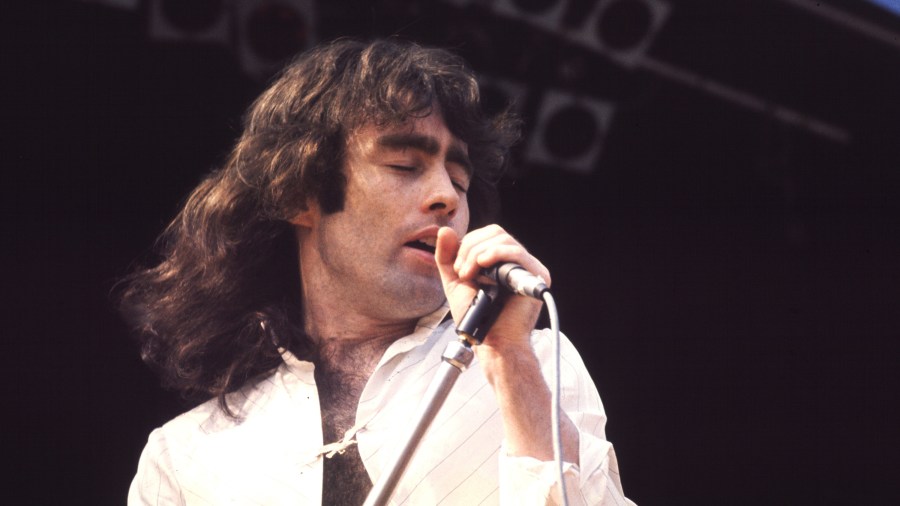
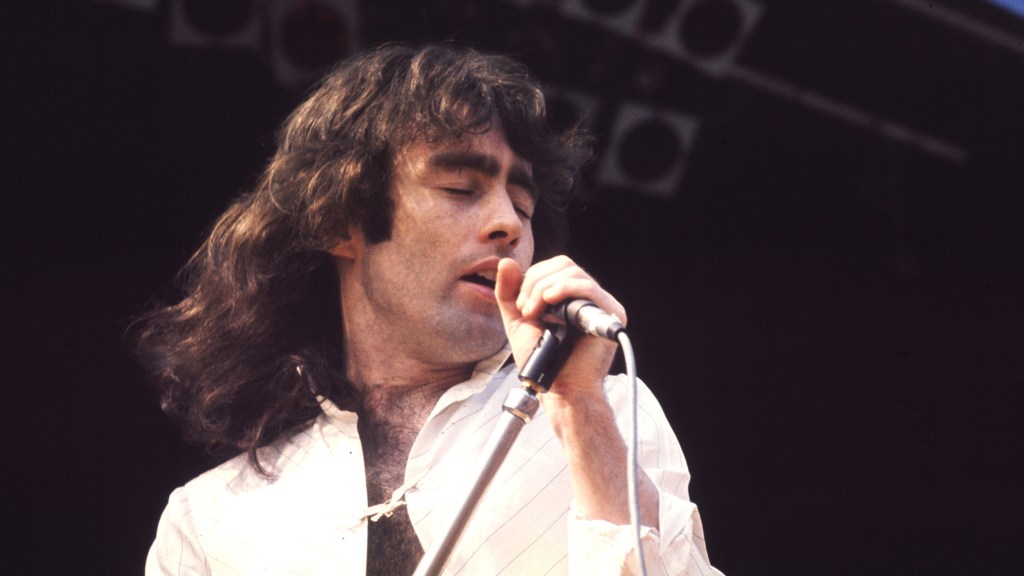
Bad Company 1974 Paul Rodgers

I hear a lot of complaints and have been guilty of going down the same road myself. All of us connected to music scenes and communities around the country see many of the same things. Here are just a few topics being discussed:

  • Impacts of COVID on venues and other aspects of live music scenes
  • Current economic realities on businesses and the resulting choices many are having to make in order to stay in business.
  • The fact that musicians, in many situations, are still making what the prevailing “wage” was 10 years (or more) ago—and in some cases less.
  • Even with what has been traditionally better paying gigs—private parties, corporate events, weddings, etc.—those gigs are becoming harder to come by, even for those of us that use 3rd party booking sites or agencies.
  • For many of us, even touring bands, people have become glorified “t-shirt salespeople” just to make ends meet.
  • It is harder to sell our own music other than a handful of CD sales at gigs (when people buy the aforementioned t-shirt)
  • Corporate consolidation in radio and other media, along with streaming services paying pennies or nothing, means there are simply less opportunities for new musicians to break, be heard and make a living.
  • Gone are the days of “middle class musicians” or others in the industry chain making a living in music. The “industry” has, in many ways, been reduced to a handful of “suits” in offices watching stock values.

For background on some of these things, here are a couple of discussions worth checking out. It is important I think to know the problem, and some of the causes, as we begin to address the situation. You can find a couple of key discussions here and here.

Orianthi

In this first part though I want to focus a bit on things we ALL have some degree of control over. The things I am going to list here I see happening in many music scenes—and across all genres. As mentioned, all of the realities above are true and verifiable, however WE as musicians, club owners and even music fans bear some of the responsibility, and that is really where I think we need to start first—as an inventory in some ways of things that are impediments to change. These are things that we are doing, or not doing, that also are barriers to scene creation, re-building and growth. In part 2 I will list positive actions we can take. But first, a list of challenges and barriers:

Tim Henson of Polyphia

Musicians:

  • Competition: There is a ton of this happening in many places. It results in undercutting (and thus lowering prevailing pay for players), “backbiting” and put downs of other players and bands.
  • Failing to Support others: A music scene is built on mutual support and collaboration. When players don’t get out to support other bands, shows, OR, if they do, they arrive with an attitude of judgement rather than support and an eye to the bigger picture, everyone suffers. While, in some ways, it may be natural for us to watch other players with a critical or even envious eye, but there is a balance. Focusing on the bigger picture may help.
  • Irresponsibility: There is a reason sound guys and many club owners are perpetually grumpy and pissed off at us musicians. We can be clueless and unbelievably irresponsible. We leave messes, don’t put things back after using them, trash community gear, or even take cords and other accessories owned by clubs. All of this gives everyone a bad name. It would be one thing if it were a rare occurrence—but it isn’t.
  • Laziness: One very valid criticism of many current bands in many scenes is forgetting who the customers are, why they are there, and that, for club owners looking at their bottom line, there are actually other (often cheaper) options out there. WE, whether we like it or not, are in competition with things like karaoke machines and even (gasp!) the good ol’ jukebox. With that in mind, what can we do to engage our audience and add more excitement to “shows,” or even see what you do as a real SHOW, and not just “another gig?” Remember that one “tune” the club owner wants to hear is the ringing of the cash register (if they still do that). If you are just background music with a singer whose (as an example) face is buried in a tablet or music stand, you have band members who don’t really know the songs, or there is just a general lack of engagement with the customers, then, it COULD be that a juke box, or someone with a Karaoke machine may seem like a better option for that club from a business standpoint.
  • Watch Overall Volume, Consider Hiring a Sound Guy and Think about the Club Bottom Line and Customer Experience: There are definite realities and limitations here, however these are things to work on and pay attention to. Being loud for the sake of being loud is not helpful. There is such a thing as “good loud,” and it is, I believe, part of the live music experience, however, there is a limit. Also, think about sound quality as a huge part of your overall show. I have been to many shows where musicians were good, but the sound was “muddy,” dominated by a couple of instruments, etc. This matters. If a club does not provide a sound person, consider hiring one.
  • Lack of Understanding of the Bigger Picture: The health of the overall music scene affects everyone in the chain. Historically exciting scenes, built on partnerships and support have had impacts beyond the immediate location. They are like large “petri dishes” where a mixing of players, fans and other involved parties can create magic. I think of the London scene in the 60s that brought about the “British Invasion,” The Seattle scene in the 80s that birthed the “Grunge movement” and others. These were player created movements, but built on collaboration, mutual support and engagement.  That energy spreads like wildfire with long ranging effects once it reaches its peak, and we all know the results. Your local scene need not reach that level to be effective. I have seen, or know stories of, legendary local time periods of incredible musical energy. All of these situations have things in common. We will list them and talk more about this in Part 2.
  • Not Understanding That Gigs Are Business Partnerships: it is vital to see each show this way—as a partnership. Both clubs and players need to see it that way. What are the things each can do to ensure success?
  • Lack of Promotion: Bands are notorious for missing opportunities to promote shows on social media or other methods. What creative ways can you produce to promote your band, show and the club hosting the event? We will talk about a few of those things and some resources and ideas in future posts.
  • “Nostalgia,” Rumors, Conspiracy Theories: all of these things are related. It may be normal to pine for the “good ol’ days.” We all do it. However, at its worst, this nostalgia can give way to blame games, rumors or outright conspiracy theories about sources of the problem(s). Fingers are pointed, rumors generated, etc., and often, in many struggling scenes, all of that can be aimed towards those that are experimenting, building the big picture, or trying to make change in a positive way. Divisive factors like jealousy, competition and an apparent need for drama, “turf protection” and/or self-promotion are destructive forces for music scenes. As an example, in my community, I have been told about competition, suspicion, blame and a bit of overt hostility between “downtown bands” primarily playing original music, and “cover bands,” who tend to play smaller clubs in surrounding communities. For some caught in the middle, this can lead to a number of issues, and really benefits nobody. Related “turf wars” and the establishment of self-designated “gatekeepers” can also lead to players and fans taking sides, etc. None of this benefits the big picture either. We will address some of this in future posts.
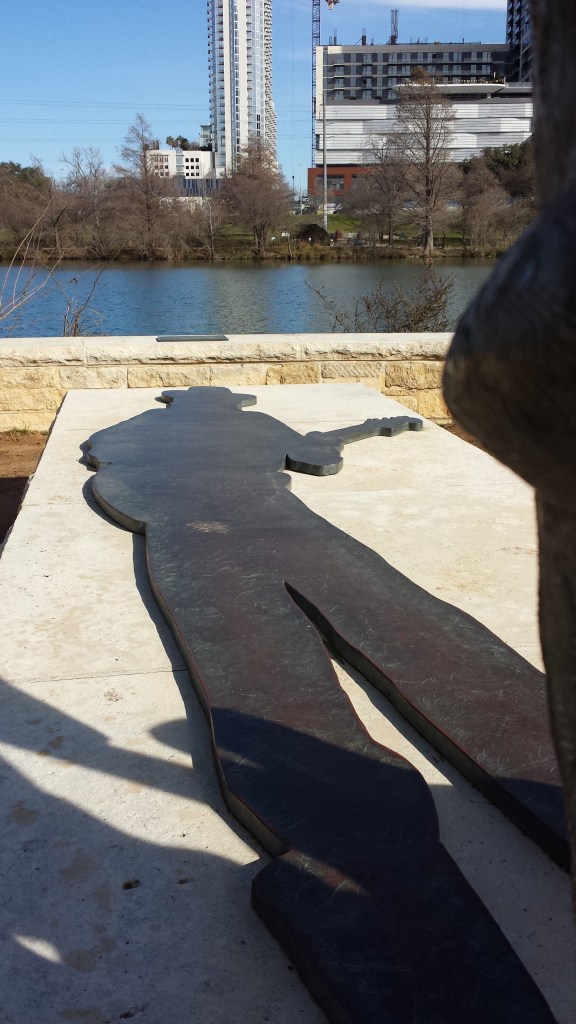
The “long shadow” of Stevie Ray Vaughan in Austin, TX

Club Owners:

  • Not Understanding What it Takes to Become A Respected Music Club: Becoming an established and recognized music club takes time and investment. Simply putting a guy with a guitar, or even a band, in a corner every once in a while, isn’t enough to build the brand. It takes time to build relationships, get people in the habit (key) of coming to your club, an investment in consistent quality, and (more importantly) creativity.
  • Hiring the Same Bands or Musicians Because It is Easy: One of the things that will break people’s habit of coming to your club is boredom over the “same ol, same ol.” Build relationships and connections, rotate bands, urge bands to invite in other players to jam occasionally, host jams and open mics and think about the bigger picture and community. All of these things build together.
  • Hiring the cheapest bands, rather than the best bands: This is just another part of what was mentioned above. I have seen thriving clubs that drew people from distances every show, suddenly begin to decline because a club decided to find cheaper acts to fill their calendar. One bad band can have a huge impact in the long term on customer loyalty. The habit, once established, can be easily broken.
  • Not Understanding That Gigs Are Business Partnerships…or Should Be: This was mentioned above with an eye towards things musicians can do, but also clubs can play a part. Food and drink specials on gig nights, contests, etc. are all creative ways to involve everyone in building the bottom line for all. We will add some other specifics in future posts.
  • Work with Bands on Reasonable Volume Expectations, But Don’t Expect that a Full Band (especially with drums) Can Play at Levels that Allow Customer Conversation: You can’t have both things at once. Consider alternative spaces where customers can converse (if that’s possible), rather than making unreasonable requests for bands to play at “conversation level” volumes.
  • Address Your “Room” and the Realities of Live Music: Consider treating walls and ceilings to absorb sound in areas where live music occurs—especially in large rooms with hard walls that create “echoes,” etc. This may take some work and, if you are really serious, hire a sound professional to assist. This goes a LONG way towards helping everyone have a positive musical experience.
  • Lack of Understanding of the Bigger Picture: Vibrant music scenes have active involvement of everyone—including club owners.
  • Lack of Promotion: Just putting a sign in front of your business saying “live music tonight” is not enough to engage and connect with music fans. It was mentioned above that promotion is also a responsibility for bands. Part of that big picture connection is seeing the need for creative promotion on the part of club owners as well.
  • Lack of Prep for Bands (space, power, etc.): I have played many places where musicians arrive well in advance, doing the responsible thing of giving adequate time for set up, sound check, etc. before a show, only to be forced to wait for spaces to be cleared and maybe even food customers to finish eating in the area where a band is supposed to set up. This creates difficulty and unnecessary stress. In other situations, bands are asked to set up in places without adequate shelter or power. Being a music club requires that all of these things need to be considered in advance. This is part of the partnership really.
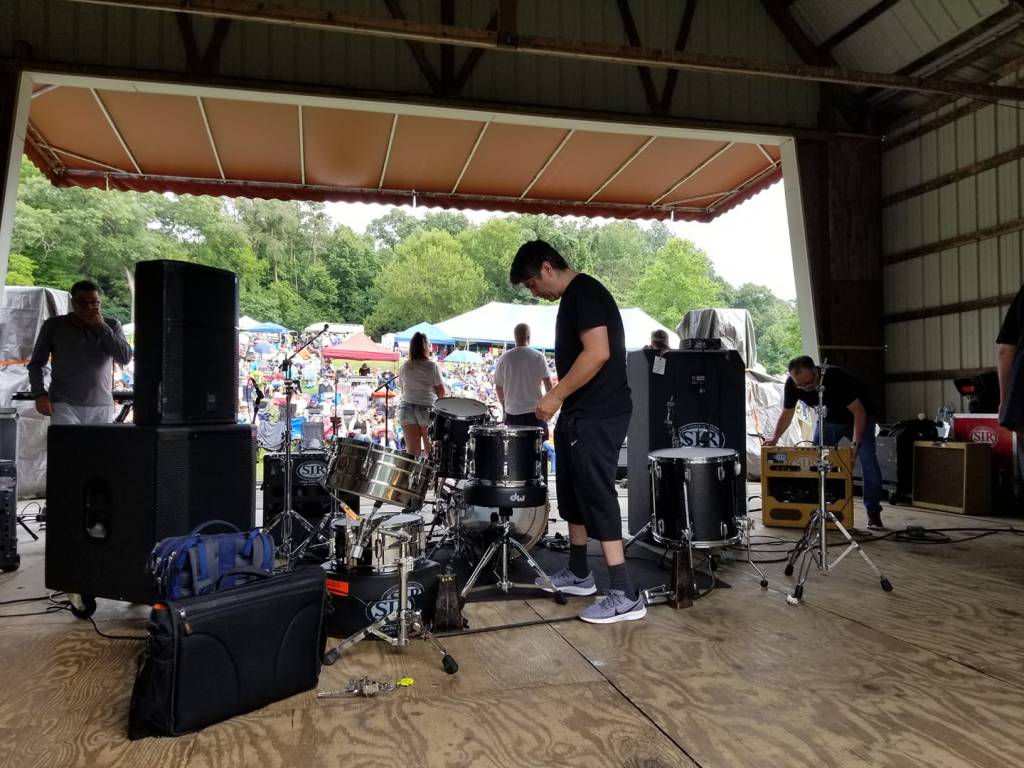
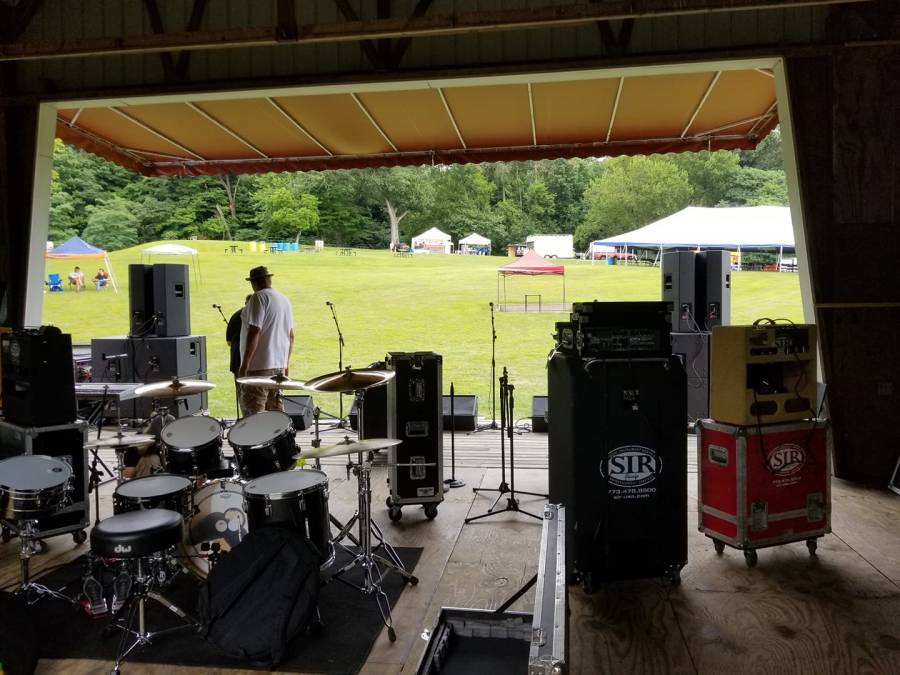
Backstage Prior to Los Lobos show, Prairie Magic Music Festival, Porter Co., IN

Fans:

It may seem odd to focus on music fans as well, but, in many ways, you all are THE customer, but also a major part of music scene success. YOU are also one main reasons scenes exist in the first place. Where do you put your money, support and connections and how can you be more involved in the overall process? Here are a handful of things to consider:

  • Tip, buy band “merch,” pay covers (when asked), take part in contests or other events put on by bands, clubs, musicians or other clubs or societies supporting the music.
  • Be involved in that Big Picture: Join those clubs and organizations that support your favorite genres and bands, patronize clubs that support live music and find ways to connect potential players, partners and clubs.
  • Also, be an advocate for live music. Request it, alert radio or other social media channels and platforms about upcoming shows and events, share events and band websites on social media, and bring friends. This is how things grow.

Also note:

  • Continuous requests of just your favorite songs is often irritating to musicians: While there may be a time and place for things like this—or at least up to a point—repeated requests for songs that are (as one example) obviously different from the music bands are playing just because it is YOUR favorite, shows a lack of respect and awareness. Musicians try hard to accommodate many things, but often these kinds of requests can be a huge distraction. Consider going to shows for the experience, relationships and the power of that moment when everyone is on that same page and the energy is high (something that really only happens at live shows). These high points can be missed if it becomes about you and your need to have the band simply be your “personal jukebox.”
  • Also, bands have volume: Most bands have drums and other instruments and voices need to be heard over those drums to create a decent musical mix. Good bands spend time focused on that mix and getting the best sound possible, but the reality of live music is that it is likely that you may NOT be able to have that side conversation with your friends in the area where the band is playing—and that’s all right. Consider bringing hearing protection, go with the flow, dance, sing (if those are you things), and be a part of that show. Bugging a band about volume is not helpful and is much like repeated requests for YOUR music. Come prepared.

REMEMBER: Live music, at it’s best, is powerful and life changing in ways that other options mentioned above simply aren’t. Music heals on so many levels and the synergy between musicians, fans and venues is the stew that make this all come alive. Everyone needs to spread this gospel. It matters!

In part 2 we will examine some positive ideas and solutions related to all of the things listed above.

Play on!

For in-person or virtual lessons, coaching and mentoring with Mark, contact him at: imwiththebandmz@gmail.com and visit his website at: www.im-with-the-band.org. Also connect here for information and involvement with the Eau Claire Blues Jam and the new educational and live music promotion non-profit The Eau Claire Blues Summit. See you at the show!

Mark Zanoni

“Rock is Dead” and Other Myths and Prejudices

Steve Marriott–Humble Pie

Originally published in August 2019 (updated 2023)

(Note: When I first published this article on the blog page from my band Big Road, I was responding to criticism and a certain prejudice I was hearing from many other musicians, who were complaining about the state of music today and justifying why they didn’t listen to any of today’s music. Four years later, not much of this has changed, except for the increasing popularity of bands like Rival Sons (now with music featured in a car commercial), Larkin Poe, Jack White, Tedeschi Trucks, Dirty Honey and many other guitar-driven rock, blues and soul bands. In addition, guitar sales have rebounded (see links to articles below that showed this trend was beginning even as early as 2018) and I see no sign of this slowing down. Rock on!)

Bad Company 1974 Paul Rodgers at Charlton

Full disclosure, I am old enough to remember when the stuff played on “classic rock stations,” was edgy, non-mainstream, alternative rock. “What is that noise?” was a common response and reaction from the parental generation of the time. It was music that was hard to find, as well. In my hometown of Madison, WI there was one oddball, “hippie station,” that played this music. The station was my savior in so many ways. This is why I find the reactions of so many people my age to anything new so perplexing. There are even many that believe there was some kind of popular music heyday that they were blessed to have been born into–and that anything that came afterwards was garbage and can never compare. 

Yes, the mid to late 60s and early 70s displayed breathtaking innovation. It was in part rediscovery (as the best of it all was blues based–or some would say “blues rip-offs”) and part rebellion born in a time of cultural and political upheaval as well. This unique era fostered leaps forward. The Rolling Stones, Led Zeppelin, Yes, Humble Pie, Cream and many others, have set a standard that will be emulated and copied for many years. Some of this music (though not all) still stands the test of time, and I know of a lot of young people today have rediscovered it and find it just as powerful as I did in my teens.

That said, it is dangerous and hypocritical to simply pine for the old days and dismiss or ignore anything else that comes along–especially for musicians. To me, those who dismiss (often with extreme prejudice) anything new and talk only about this mythical “golden age of music,” are missing so much. I’ll get to that, but I also think much of the conversation falls into the age-old “kids these days,” “get off my lawn you whippersnappers,” mentality—and here is where the hypocrisy lies. Those of us born in the generation that came of age during the “British Invasion,” and the “golden age of rock and roll,” heard these exact same things, and worse. The more things change, the more they stay the same. Either way there is a ton of myth, hypocrisy and missed opportunities here.  Here are just a few observations and responses based on things I hear all the time: 

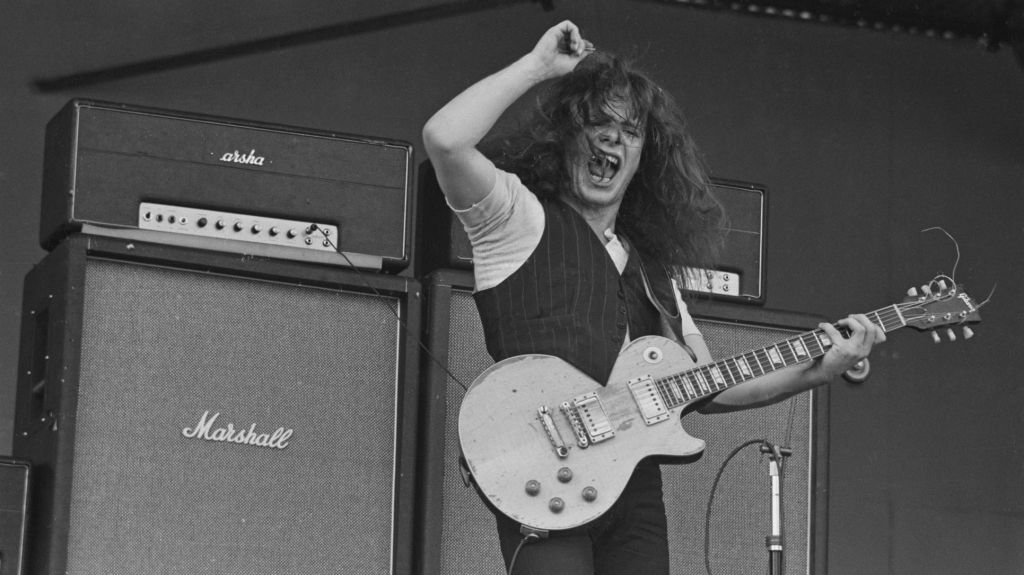
Paul Kossoff–Free
  • All right then, but that great music we see as Classic Rock was more mainstream because it was just so great and will never be surpassed. 

As I said above, most of what we see today as “classic rock” is often assumed today to have been something mainstream at the time it was released. It was not, especially when this music first became known. It was not what you heard on most radio stations and was controversial when attempts were made to highlight it in the media. At some point this began to change, but mostly as it became obvious the new music was something that couldn’t be ignored and was not going away. When I first became conscious of this music revolution (and it was in many ways), the magazines and other media sites that covered this new music were very much “backroom,” alternative operations at best. If mainstream media of the time covered the “classic rock bands” we know today, they covered them primarily from the standpoint of cultural interest—it was noteworthy ONLY because of the “strangeness,” “loudness” and regrettable growing popularity. Fans of the music were seen by many as destructive elements in society. This began to change ONLY when the powers that be realized, this phenomenon was not going away and that likely, there was money to be made. Only then did many in the “mainstream gatekeepers” jump on the rock and roll bandwagon. Prior to this change, this was music you had to search for—combing record stores and alternative or college radio stations (IF you were lucky to live in a place that had such things) to find “the good stuff.” It was an adventure really, and one that I, and many of my friends, undertook frequently. An alternative radio station called “Radio Free Madison” saved my life at that time. I know many others who can say similar things about these often out of the way, alternative music resources. It is hard to imagine, but people behind the counters in the cool record stores, and radio stations like the one I mentioned on the new “FM” radio frequencies (another development of that time) were gold mines for many of us young, and often lost, kids.

  • What we know today as Classic rock is just the best ever, period. Rock died in the 70s and nothing will ever compare. 

I agree to some extent. Some things described now as “classic” will remain so for a long, long time. I mentioned above that I have met many people in their teens and twenties who have rediscovered this. Current bands like Greta Van Fleet, Rival Sons, Dirty Honey, and others, certainly give more than passing nods to the greats of the 60s and 70s. That really says something in and of itself. However, I can assure you that rock is not dead and that there is a lot of innovative and powerful music being made today and ignoring that is not healthy—especially if you are a musician trying to stay current and be inspired. If you want guitar driven, “guitar hero” rock that moves body and soul the way the best should, we may be in a sort of “heyday” or “renaissance” right now. More on this later. 

  •  Nobody wants to play or learn guitar anymore; guitar sales are declining and it’s just a bunch of pre-programmed garbage out there–all computers and synthesizers.  

That may be true in part. A series of articles from a few years ago pointed to declining sales of guitars and a corresponding declining interest on the part of young people to learn to play guitar. Video games were blamed as well as a lack of “guitar heroes” in mainstream music. I always maintained that this was a cyclical thing and new evidence shows it to be the case. A 2018 Rolling Stone article indicated that guitar sales are as strong as ever. Another Rolling Stone article from that same year pointed to a fascinating trend. A Fender study concluded that half of all new guitar players are female. This is in part due to several high profile, guitar-wielding female artists. Ana Popovic, Rebecca and Megan Lovell (Larkin Poe), Susan Tedeschi and Joanne Shaw Taylor in the blues world and H.E.R, Lzzy Hale, Orianthi, Brittany Howard, St. Vincent, Nita Strauss, and many more in the rock and pop world are all skilled players with increasing name recognition and visibility. Taylor Swift has undoubtedly contributed to this trend as well. 

Orianthi

(Note: A recent article on the subject of guitar sales and trends confirms this growth is continuing—albeit with a bit of recent leveling off, likely as a result of supply chain issues and corresponding inflation. Despite this, sales remain strong, and the reasons may be surprising. You can find that article here.

 Regarding “electronica” and computers in music, there will always be innovation in instrumentation and recording technology. I’m not entirely sure this is always a bad thing. Either way, like earlier electronica waves (something I first heard in the mid to late 70s), like many trends, it ebbs and flows. However, there will always be room for flat out, balls to the wall, guitar driven rock. Power and energy stand the test of time. Say what you will about the growing popularity of bands like Greta Van Fleet, I believe it’s a trend and that they are examples of much more to come. 

  • There’s no real, great rock and roll made today and no real guitar heroes like Page, Clapton, Beck, etc. Everything interesting was made in the past. 

Someone actually said this to me recently. My reaction is always visceral and immediate. You won’t see it or hear it if you don’t look. The guys mentioned above were just copying their heroes anyway and were shocked that the mainstream didn’t know who any of their blues great heroes were. The people mentioned above knew (and still say) that they stood on the shoulders of giants, just as anyone picking up a guitar today stands on their shoulders. That reality did not diminish them or their skills and mastery. Nor does it diminish the skills and mastery of (just a few examples) Mark Tremonti, Miles Kennedy, Gary Clarke Jr., Christone “Kingfish” Ingram, Marcus King, Orianthi, St. Vincent, Joe Hottinger, Lzzy Hale, Chris Robertson, Ben Wells or the slightly older Pete Thorn, Joe Bonamassa, Joe Satriani, Marty Friedman, Oz Noy, Tom Morello, Slash, Greg Martin, Paul Gilbert or (my personal favorite) Richie Kotzen. All of these people certainly owe a debt to Page, Clapton, Beck, etc., but they have their own voice too, as well as unarguable virtuosity.  

More than that, attitudes like this ignore a whole new resurrection of high virtuoso level progressive rock. Bands like Polyphia, Chon, Animals as Leaders, Coheed and Cambria and others are making incredibly complex and sophisticated music that incorporates elements of jazz, hip-hop and heavy metal. There is a whole movement of young people following these bands and hanging on every note of Tim Henson, Scott LePage, Jason Richardson, Tosen Abasi, Rabia Massad and others. YouTube has also made many of these players household names for (mostly) young fans and given rise to careers of other incredible players and personalities like Rob Chapman, Jared Dines, Steve Terreberry, Mary Spender, Rob Scallon, and of course the incredible Phil X (now the guitar player in Bon Jovi). Miss or underestimate any of this at your peril. They are setting some incredibly high bars as players, personalities and entertainers that won’t be matched soon.  

Tim Henson

I also urge people to dismiss rap and hip hop at their peril. There’s an ugly prejudice that I hear a lot that is not really a whole lot different from the prejudice mentioned above against newer music. There certainly is a pop version of rap and hip hop just as there is most all music genres—even rock and country—with all of the shallowness, clichés and predictable formulas that one might expect. However, aside from this, and not always out in the open and mainstream, is creativity, some incredibly unique voices, and powerful music. Like anything though, you have to search for it and be open. More on this in future posts. 

And that’s the big question: Are you open? If you look, I’m telling you, you will find.

Keep Rockin!

Mark Zanoni

For more information on blues, blues artists and history and all things related to this music, visit Real Blues You can Use on Facebook, or go to our blog at: https://im-with-the-band.org/blog/

Mark Zanoni
Tips for Success at Blues Jams (or any open jam)

A picture from a recent blues jam in Eau Claire, WI

I have written several posts about how important hosted jam sessions are for the health and sustainability of music scenes—especially blues scenes. You can find those posts here, and here. In summary, a jam is about collaboration and connection. This collaboration is enhanced when a host band is involved in the jam—a host band that understands the critical responsibility of how to facilitate the “jam experience”—as they set the stage and energy for the event as a kind of opening act, and also understands the critical responsibilities that come with being a facilitator of the blues experience. More on this later.

However, there is another part of this puzzle, as it is also critical, that other participants understand their responsibilities at these events. So often, a host band can be doing most everything right, and jam sessions can get bogged down because players show up with expectations and assumptions that negatively impact the experience. I recently wrote about how the very history and structure of the blues is rooted in collaboration. Collaboration works because ALL parties make it a priority. Here are some critical tips that everyone should understand are at the root of every successful blues or open jam.

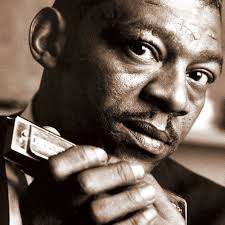
The great Mark “Madison Slim” Koenig on Harp
  • A Jam is Not an Open Mic: While open mics are designed specifically as a showcase for individual performers (or groups of performers), a jam session is different. First and foremost, unlike an open mic, a jam session—any jam session—is about connection and collaboration FIRST. It may be that, at times, individual players take the spotlight as they solo, etc. However, this should always be in service to the collaborative process. Even the host band itself, or any other players that step in as song leaders, switch to primarily being facilitators first. Understanding this difference is a critical link for event success and, as I mentioned, this responsibility falls on everyone—host band and jam participants
  • Show Up Early, Meet and Greet and Find Out How Things Work: Every jam is different. Some jams have backlines and request that all participants use backline gear. Some jams allow everyone to bring their own amps, etc. There also may be other traditions or rules for particular jams, and getting there early allows you to meet club owners and bartenders, the jam facilitators and host band members, sign up on a sign-up sheet (if your jam has one), find out how the schedule works, what songs people typically play, and generally figure out the “lay of the land” for this event. These connections are where collaboration begins.
  • Don’t Be “That Guy or Girl!”: Don’t be the player that shows up late, blasts in, demands their 15 minutes (sometimes even with songs or song structures nobody knows), does their set, and immediately heads out the door. These are the people that make it hard for everyone else—hosts, music fans and other players. Other things that are destructive to jam sessions:
    • Not coming prepared with cords or other key connections or equipment if it is necessary for your instrument.
      • Being loud in general—or at least louder than everyone else
    • Not understanding “blues rules (go here)” or disregarding signals, etc. of the host or facilitator and:
      • Blasting solos without being asked
      • Soloing over the top of others
      • Or generally calling attention to yourself in a way that negatively impacts the overall event and event energy

None of this endears you to other players, club owners or music fans. It doesn’t matter how good you are.

The great Cadillac Pete Rahn
Eau Claire Blues Jam
  • Know Songs and Learn How to Communicate the Structure of Those Songs, Lead Those Songs and Apply “Blues Rules:” In my experience, the people who get the most playing time, get asked back, are even asked to be host band members, and often get other gigs, etc., are primarily people who know (and can sing) songs. They also know how to communicate, facilitate and lead those songs. This involves knowing and applying “blues rules,” and showcasing other players—and often showcasing other players FIRST and facilitate songs–as opposed to just being the “star centerpiece” (see point above about jams vs. open mics).
  • Be Open: Some jams have a ton of talent that shows up, the person leading the jam may have ideas about things to do that night and may have special guests coming in. Roll with what happens. See point #2 above.
    • IF you get a chance to play, Lay Back First, Find the Groove and Vibe On Stage, (and most importantly) Find Ways to Fit in and Enhance the overall collaboration: Remember that collaboration is the key to jam success in so many ways. Are you contributing to the overall energy of what is happening on stage? OR are you making things about you and expecting everyone to fit your mold, or get out of your way.
  • Showcase Others First: This is especially true when leading songs, but really applies for most of a jam experience.
  • Learn the Language and Vocabulary of the Music and How to Apply “Blues Rules:” Blues has a language and vocabulary that is semi universal. This involves:
    • Learning to “play by numbers”
    • Learning and understanding common blues rhythms and grooves and how to describe and play with them
    • Building a vocabulary and library of common riffs, rhythm figures, chord sequences, chord voicings, etc. Learning songs helps to make this happen!
    • Understand and apply “blues rules,” (go here for a list) both as a facilitator/song leader and player. See more on this here.
  • When you are done, be thankful for the opportunity. Shake hands with the other players, compliment, buy drinks, thank the sound guy, etc. Celebrate a successful collaboration. This will insure that there will be a next time.
  • Stick Around: Much of the critical connections happen after the jam. I have gotten gigs because I took time to thank club owners, bartenders and other players. It also endears you to other players when you help haul some gear, etc. There are always needs. Community first always.
  • Don’t Make Excuses, OR Refuse to Support and Attend Jams Because the Event Doesn’t Immediately Benefit YOU! See the point above about being open, and (more importantly), remember why jams exist in the first place and how important they are for vibrant and sustainable music scenes. Things happen. It is a hard job being jam host or host band. Also, if you showed up expecting to be recognized, etc. but spent your time hanging in the corner rather than making connections, etc., you may want to look at other things. Review the points above possibly, and also…

Remember: Jams are about relationships and connections. Club owners and band leaders want to find good players, but above all, they want to find good players that are decent, collaborative people. Two rules that have served me well:

  • “Don’t go where you aren’t invited:” This is one of my rules for life actually. I never demand or request anything. It’s about going with the flow–a critical life skill. More than that, jams can be an exercise in patience, especially if you have never been to a specific jam before. Developing relationships, making other connections and being friendly and open, almost guarantees that you will get your chance to join the party at some point.
  • Be quietly kind, yet confident: The people that really can bring it on stage, will never ever brag about it. They just bring it when the time is right, and do it in a way that makes everything better.

Jam on!

Join our Facebook page Real Blues You Can Use for more discussions on these topics. For in-person or virtual lessons, coaching and mentoring with Mark, contact him at: imwiththebandmz@gmail.com and visit his website at: www.im-with-the-band.org.Mark Zanoni

What Are “Blues Rules,” and How to You Use Them?

Magic Slim Holt

Early on in my journey with The Blues I was taught some critical lessons regarding how you work with other players in a blues band. These rules may vary slightly depending on the person, but I have worked with and sat in with many players at shows and jam sessions, and I would say that these concepts are pretty much universal. I believe they are rooted in the tradition of the music too, in that they come from the ideas of collaboration, sharing, support and creating ensembles where the whole is much greater than the sum of the parts. My teachers and mentors schooled me in this stuff and passed it down in much the same way that it was passed down to them. This process is also is part of the history and tradition of The Blues: Mentorship, sharing and passing on what was given to us.

Here are some key foundations though that are part of entering into this world as purveyors of this art form:

  • Do your homework! This includes learning songs and understanding the language and vocabulary of the art form
  • When you get together with other players, listen and watch first. Find out how you can make this connection better by your presence
  • Don’t overplay, and play to the song and the groove
  • Learn to play by numbers with regards to following progressions in songs

Here are those key Rules of the Blues as I understand them:

  • Most of the time, and in most blues bands, there is a song leader. That person is usually the person at the mic—but not always. They will call the song, describe the groove and structure and other key aspects of the song–including “stops,” variation in progression, structure for verses (if the song has them), and structure for solos (if different than the rest of the song).
  • Don’t assume if you aren’t sure. Lay back and watch until you understand how things work
  • Looking to that song leader ALWAYS at the “turnarounds” and other key times for signals about “stops” or other changes, solos, etc. (Critical)
  • Support other soloists as they play, and wait your turn. Once again, this is determined by the song leader
  • Watch carefully and listen, paying attention for other signals as to changes in volume, etc.
  • Lay back especially under vocals and other solos. Don’t overplay and support the ensemble
  • Pay attention to others first. Don’t make this collaboration all about you, UNLESS asked, at the right times, and by the song leader, to showcase yourself.
  • Play with your heart and soul, always listening, supporting and encouraging—and also remain open. These things are what the blues is all about.

There may be other rules as established by the needs of a given band or situation. Be open and remember the primary rules.

Play on!

Join our Facebook page Real Blues You Can Use for more discussions on these topics. For in-person or virtual lessons, coaching and mentoring with Mark, contact him at: imwiththebandmz@gmail.com and visit his website at: www.im-with-the-band.org.

Mark Zanoni

Spreading the Gospel of the Blues (The importance of collaboration, interaction and mutual support)

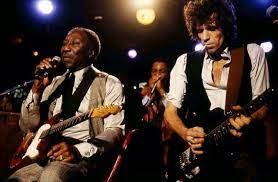
Muddy Waters and Keith Richards

In previous articles I have talked about things I think are keys to kick starting a blues revival. You can find those articles here and here.. I won’t go too deeply into what has already been written, other than to say that “the blues” (a definition is in the first article listed) is at the heart and soul of American music, and has been since the 60s. Some of that has changed in recent years though and, as music becomes more “sanitized,” and “corporatized,” problems have arisen. I believe we are due for an inevitable revival in many ways and, just like with “British Invasion” of the late 60s and all that transpired after, American music needs a shot in the arm.

I also have written about things we can do in our communities to bring this music and sound back. One thing that I believe has always been at the heart of both the revivals and the music itself is collaboration. In fact, I believe the very nature and history of the music demands this and it has always been a key component of what makes the sound and energy unique. Mentorship, sharing, borrowing of themes, riffs and ideas, and even the very history and structure of the music itself, comes from this concept.

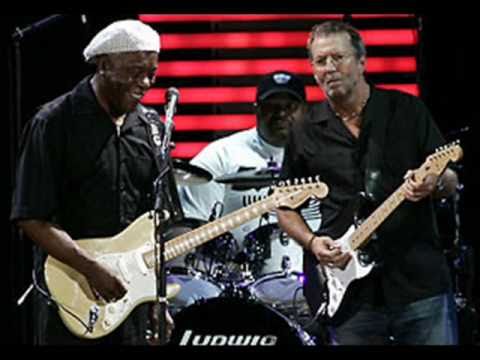
Buddy Guy and Eric Clapton

Origins: Roots of the Music

Part of this comes from the history and origins of the music itself, as people in forced and demeaning labor supported each other to survive–borrowing from their African roots with call and response chants in fields and other places they worked, prayed, celebrated and interacted. As the art form evolved, “call and response” became a literal aspect of the music itself. Pick most any blues song out there and pay attention to this—there is a theme within the song that is responded to, clarified and elaborated on. This is how the music works.

Legacy of the “British Invasion,” and Impacts on the Music

Keeping this in mind, as the music traveled around the world, aspiring artists, moved by the power and energy inherent in this art form, borrowed, put their own stamp on what they heard, and brought it back ultimately to the country of origin—the United States. Some of the first things these young British lads did was to seek out their music heroes and, in many cases, give them credit, stages to play on, and wider audiences and revived and and expanded careers. This interplay and collaboration built the music further and spread the “gospel of the blues” literally around the world. Amazing collaborative recordings became one product of these connections, but the music itself evolved, expanded and impacted everything it came in contact with. Entire new music genres evolved from this interplay, and music has never been the same.

Stevie Ray Vaughan and Albert King

Putting these Ideas into Practice Today

As we look for ways to revive this legacy, this history can give us some clues with regards to how we can proceed. Blues artists have always shared stages, interacted, borrowed and learned from each other and collaborated in many ways. Mentorship is part of my own story, and I think it may be the key way that the music carries on. As we look at our communities and music scenes, are we doing this now? Are there opportunities for connection and mentorship? Are there opportunities for interplay and interaction between players–on and off the stage? OR has competition and other destructive forces become a part of our worlds? Healthy music scenes encourage interplay and collaboration. In fact, it makes the music grow and ultimately benefits everyone—fans and artists alike. There is nothing more exciting than skilled players “cutting heads” on stage—literal on the spot improvisation. I have also written about how I believe intentional, hosted blues jams can literally be the heart and soul of a music scene. These events are where mentorship and learning opportunities take root, creative collaborations are born and so much more. If bands and players are not inviting other players on stage for these kind of interactions, major opportunities are being missed. If there aren’t efforts to build other platforms for interactions, I don’t believe music scenes can grow—even if there are blues events, festivals, etc. In fact, I have watched music scenes die in places where blues festivals and other concert events still happen, but where other local collaborations or other educational events have not been supported. Collaboration benefits artists, music venues, other events and festivals, but mostly insures that the music carries on for future generations.

Play on!

Join our Facebook page Real Blues You Can Use for more discussions on these topics. For in-person or virtual lessons, coaching and mentoring with Mark, contact him at: imwiththebandmz@gmail.com and visit his website at: www.im-with-the-band.org.

Mark Zanoni

7 Myths About the Blues (and why it matters)

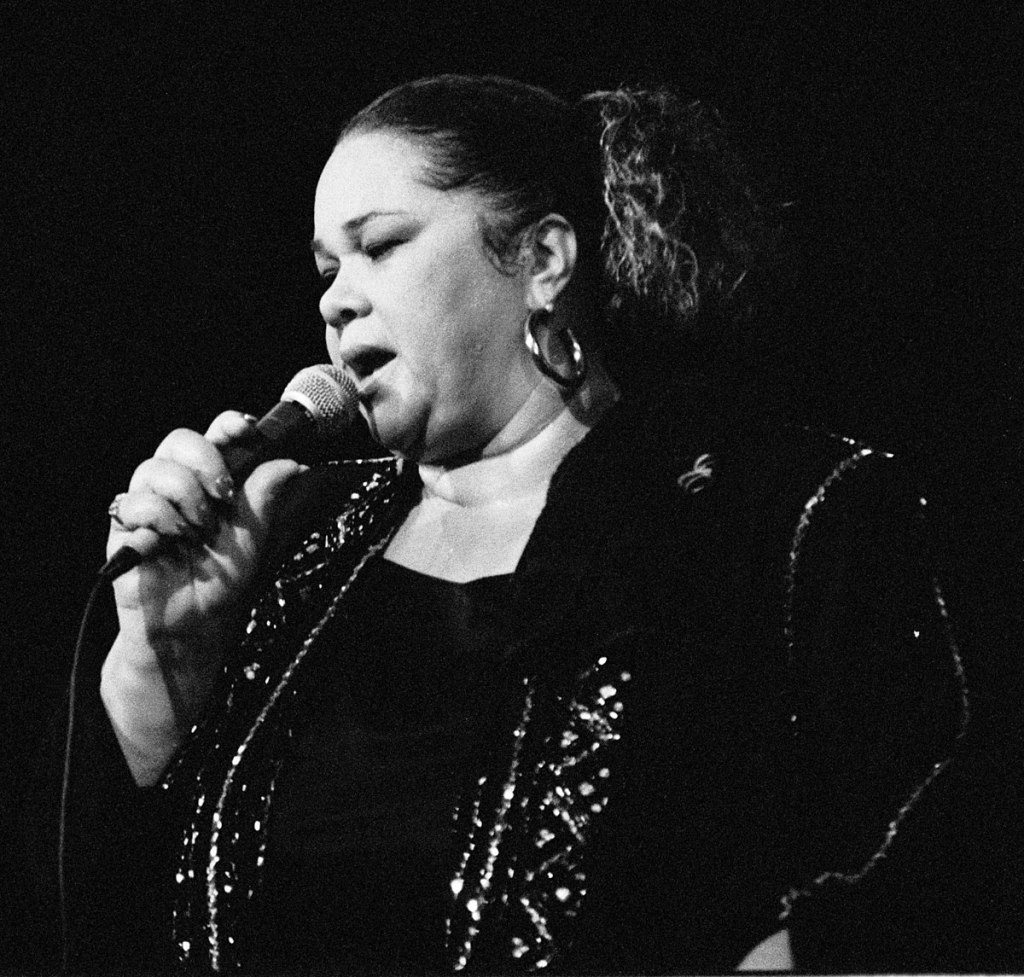
Etta James

Amongst the many challenges commonly discussed in the music world these days, include discussions on the state of rock and roll and how with the evident decline of blues as an influence that (as been said by several), “rock is dead.” I’m not entirely sure about that and I have written about this (see one example here). I also know that when blues influences creep into popular music (and it does occasionally) people respond, and that there are growing popular blues based acts that seem to be gaining an ever widening audience (Larkin Poe, Tedeschi Trucks, Rival Sons, Marcus King, etc.), and clearly blues based music is featured in, of all places, major commercial ads. I have also written about what appears to be a growing movement of heavier delta blues influenced acts that seem to be gaining a following with younger audiences. Think Robert Johnson meets Slipknot with some of the makeup and other stage show similarities. Artists in this world tend to avoid the blues label, but the influence and connections are obvious.

All of that said, actual blues does seem to be on the decline in terms of popularity—attendance is down at blues festivals, attendees tend to be older and many clubs refuse to hire “blues bands,” despite the reality that when cover bands—either rock or country—play blues songs (often one of a couple of Stevie Ray Vaughan tunes) the crowd reaction is immediate and positive. I have written about what I believe to be an almost primal—even genetic—reason for this. More on this later.

Magic Slim Holt

In previous posts, I have given a list of ideas that I think we should be focusing on to rebuild these connections and understanding about blues; its impact, influence, and place in American music; and its continued importance. You can find that here. However, I felt it was also necessary to address some myths that I hear a lot—especially from musicians who should know better. 

Myth #1: Blues is Easy to Play and all Blues Songs Are the Same

I know I may have even had this notion when I was a young punk. I thought I had “the blues” down as I rambled around on a pentatonic scale over a primitive and labored “lumpty shuffle,” my music friends would lay down when we were trying to warm up or just “jam.” I wrote an article here a while ago on my awakening, what happened and my life long work to learn to play some semblance of this art form and why there is a difference between bands that play “blues songs,” and blues bands. Here is reality: playing the blues is hard if you REALLY want to get into this genre. As it turns out, I couldn’t have been more wrong and was schooled hard. Eric Clapton famously talked about this when asked if he considered himself a blues singer. He laughed and said that after all these years of practice he felt like he was finally getting the hang of it. I know what he means.

More than that, all blues songs are NOT the same. Every song has different turnarounds, jazz-like “heads” or riffs, some are 8 bar or 12 bar that go “fast to the “IV,” have verses that may be as much as 16 bars, heads, other oddities at the turnaround, etc. There are countless rhythms and grooves and many, many ways to play even the standard stereotypical “blues” that most garage bands have done a time or two for sure. I am a big believer that to really become a blues player, you need to learn these songs—all of them: the rhythm parts, the riffs and “heads,” etc. The genre is there. Skip over this and you will remain as lost as I was as a punk high school kid noodling aimlessly away on what I thought was “blues.”

Myth #2: The Blues is Just “Old People” Music and We Need to Move Beyond It into the Future

I heard this recently. I even had a club owner tell me that he didn’t hire blues bands because blues fans “didn’t drink” and were mostly older. That may currently be true. However, I always go back to the foundations of American music, the “British Invasion” of the 60s and 70s and the impacts beyond that literally made American music what it became. As Muddy Waters said, “The Blues Had a Baby and They Named it Rock and Roll.” It could be argued that no blues=no rock, no country, no soul, no R&B, etc. Yes, it certainly can be said that those young British lads who named their bands after Muddy Waters songs, played songs by their heroes throughout their career, sought out, met and played with their heroes when they could, and never, ever forgot where they came from, built on what they had learned and created new genres of music. BUT…they had a foundation. It was not just a cursory run-through of a pentatonic and a poorly played shuffle. In their own words they had devoured whatever blues records they could get from America, hung on every note and riff, learned the songs, played the songs, and desired nothing more than to meet their heroes in the flesh. That was where EVERYTHING started. It can be that again. The internet, YouTube, etc. make many things possible that never were before. You can find live videos of most all of the greats. It is true that most of that older generation of blues artists, except for Buddy Guy and a handful of others, are gone. BUT there are people like Kim Wilson, Joe Bonamassa, Derek Trucks, etc. who met and played with many of the greats and are still carrying on a legacy. What do they know? How did they learn? The music is not dead. I can also guarantee you that the spark is still there and it really just takes immersion and inspiration to carry it forward.  American music needs this shot in the arm again.

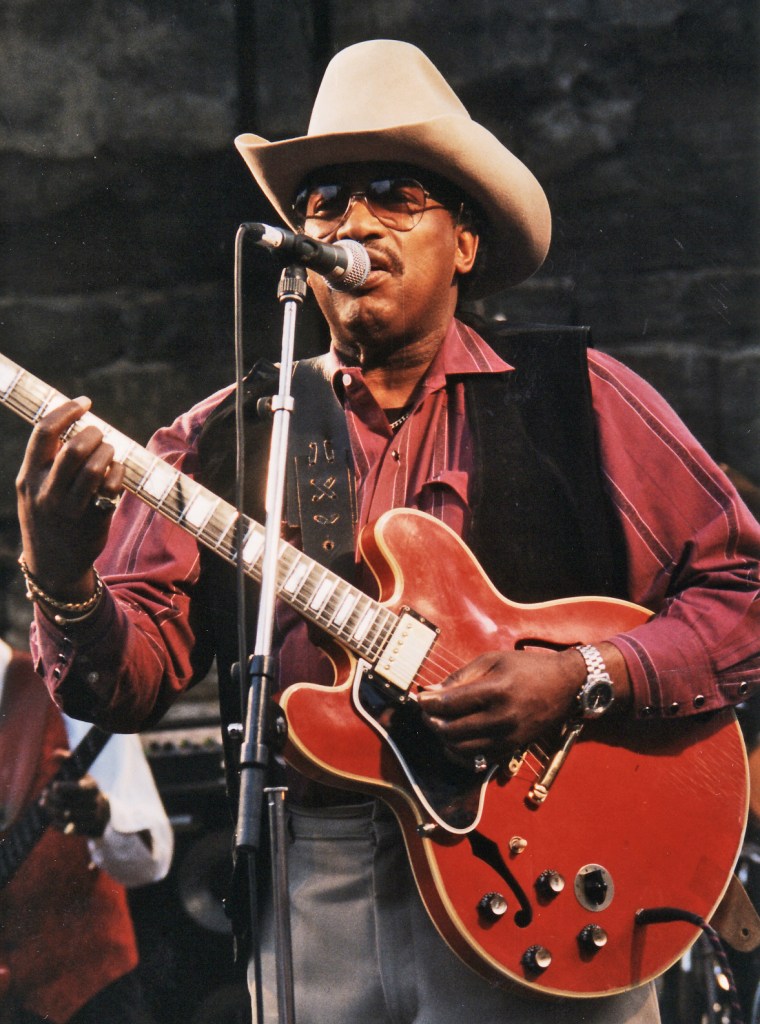
Otis Rush

Myth #3: You Can’t Dance to the Blues, and it’s All Just Sad Music Anyway

One of my pet peeves is the idea that blues is locked into the stereotypical subject matter and structures that people often reference— “it’s sad music,” “all sounds the same,” etc. etc. The genre doesn’t have to be the way it is often pigeon-holed and, in fact, if you take my suggestion above and learn the great songs, especially those by the great blues song writers like Willie Dixon, McKinley Morganfield (Muddy Waters), Chester Burnett (Howlin Wolf) and others, you will find amazing variety in subject matter, focus, structure, etc.

More than that, as I have said over and over: If you can’t dance to a good blues shuffle, you can’t dance! In fact, I have never ever seen dance floors NOT full even if a groove like this is poorly done. As mentioned, there is something deeply primal and subconscious about it all.

Myth #4: “All You Need to Be a Good Blues Player is ‘Feel’,” “The blues is Just a Good Man Feeling Bad,” (And other common stuff you hear people say)

While these things are not entirely wrong and, in some cases, can be attributed to real blues icons, there is much, much more to the story, AND much, much more to becoming a skilled, competent purveyor of this art form. There is a history here and an accompanying “vocabulary” that is essential. You can pentatonic riff and rage all you want, with all of the feeling you can muster and it will remain paint by numbers unless you dive into the details and learn the “language.” Solos need to fit songs. Sometimes those songs require knowledge of a particular “riff” or “head.” You also NEED to become a competent, knowledgeable and skilled rhythm player in order to have all of these things in your back pocket, which means you need to learn the classic songs, learn to play and “comp” on different grooves and rhythms (and there are many) and understand how all of this fits together. “Feelings,” “difficult times,” and other stuff you hear people attribute to having “the blues,” is probably key somewhere, but it isn’t the essence really, and you can have all of that, and still not have any grasp of the essentials that make this art form what it is.

Sue Foley

Myth #5: You Can Learn to Be a Good Blues Player by Soloing Over Basic Backing Tracks

See #4. Backing tracks are a particular rabbit hole that is common these days. In my experience, people that focus on backing tracks lack the things mentioned above and miss all of the essentials. It can be fun probably…but it will NOT make you a blues player.

Myth #6: There Isn’t Much to Being a Rhythm Player in a Blues Band, So You Can Just Skip Over That

I’ve heard this. To reiterate from #4, the essence of the genre is in all the rhythm figures, riffs, heads, etc. in the classic songs. Learn those songs to find that essence and be able to “speak” the language. More than that, my journey as a rhythm player took me into the jazz world as well. That’s where I learned chord voicings and substitutions that became my stock in trade. It also allowed me to hear, and attempt to emulate, other great instrumentalists such as organ players Jimmy Smith and Jack McDuff who helped me see how to fit some of those things I gleaned from the jazz world into blues. As it turns out, Stevie Ray Vaughan did much the same. It has taken me years to develop the language and vocabulary, versatility and style as a blues rhythm player—and I still work at it. I think after all these years, I’m finally grasping a small piece of this puzzle. It has been a journey. By the way, learning all of this also made me a much better soloist. You can’t have one without the other.

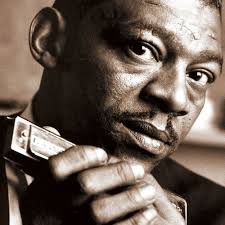
I often refer people who doubt this, to arguably one of the greatest blues backing bands in history—The Aces. They backed up and recorded with many of the greats, including the incomparable Little Walter and Junior Wells. Louis and Dave Myers set a standard that has been rarely matched, and along with drummer Fred Below, literally invented Chicago blues as we know it. There is nothing simple and easy about what they did, and there are others, including Hubert Sumlin, Fenton Robinson, T-Bone Walker, Magic Sam, etc. that were not only gifted soloists, but set standards as rhythm players. Seek these people out in the same way that you glean riffs and lead lines from the great soloists.

Myth #7: Stevie Ray Vaughan is the Greatest Blues Guitar Player in History

Not even Stevie would agree with that. He knew he stood upon the shoulders of giants–people like W.C. Clark (who also wrote the song Cold Shot), Albert King and Hubert Sumlin. He talked about this constantly and took every opportunity to play with and collaborate with his mentors. If all you know about blues and blues guitar is SRV, step back and learn about the names mentioned above for starters. I wrote an article on just this topic recently, too. You can find it here. In the article I give you a lot more background and information. Stevie was great. I’m not denying that. However, he is not, nor will he ever be, the end all and be all of the blues. Learn what he knew.  

There are more, but this is a start. In many ways, I believe we may need an entire reset on blues, blues-based music, the value and importance of it, what it is and how it manifests at the center of American music still to this day. More importantly, why it is more vital now than ever, and what we can do to save the soul of American music and the role that blues plays in that process.

Play on!

Join our Facebook page Real Blues You Can Use for more discussions on these topics. For in-person or virtual lessons, coaching and mentoring with Mark, contact him at: imwiththebandmz@gmail.com and visit his website at: www.im-with-the-band.org.

Mark Zanoni
Why Stevie Ray Vaughan may be the Best and Worst Thing to Happen to the Blues

The “long shadow” at the SRV memorial in Austin, TX

Before you get defensive, I want to assure you that I am a fan—a huge fan. I was a fan before his albums came out. I heard him on David Bowie’s Let’s Dance and I was hooked. I remember walking into a mall record store (there was such thing back then) and asking the person at the counter if they had the new record by David Bowie’s guitar player, some guy named Stevie Vaughan. She looked puzzled, asked a manager and I was told curtly, “No.” I found Texas Flood a week or so later at another store and wore it out. I bought a Strat shortly after (I’d been a Gibson guy before that), and a bit after that an old Black Faced Fender and a Tube Screamer and tried, in vain, to cop that sound. As other records came, like before, I couldn’t get enough. I did my best to absorb the songs, licks, feel and energy the best of my ability. Without a doubt therefor, the day after the helicopter crash that took Stevie’s life was one of the worst days of my life. It was surreal and stunning in a way I couldn’t describe. Especially because I knew that he had recently walked onto a good life path of sobriety.

ROCHESTER HILLS – JULY 31: American singer, songwriter and blues-rock guitar great, Stevie Ray Vaughan (1954-1990), poses backstage at the Meadow Brook Music Festival during his “Soul to Soul” world tour, on July 31, 1985, in Rochester Hills, Michigan. (Photo by Ross Marino/Getty Images)

Without a doubt Stevie Ray Vaughan had incalculable impacts on music during his career. Primarily, Stevie brought blues back to the mainstream with an energy that had not been seen since maybe Jimi Hendrix. If you didn’t know about blues before, chances are the whirlwind that was Stevie Ray Vaughan pulled you in at some point. In fact, I believe this is still the case. I would say that the number one most requested and played blues songs that I hear played in bars by a range of cover bands from rock to country, remain SRV tunes. People know these songs and they dance. I also know many people who picked up a guitar for the first time because of Stevie’s influence. I really believe that it is safe to say that it is possible that no other artist since the Beatles have had that kind of influence and impact.

With all of that said though, I began to see a familiar pattern emerge around the time of Soul to Soul—familiar because there is an industry pattern to replicate success and keep the money flowing from that success. Essentially a long string of Strat wielding (mostly) dudes (and more recently women), slinging overdrive drenched Albert King licks, some even wearing cowboy hats and boots emerged on the music scene with promotion and money behind them and claims they were the next big thing. They were fixtures at every blues fest and club. Many were forgettable and faded quickly. Some stuck and still grace the music scene–and have even carved out their own niche and identity. But either way, the industry continues to churn out the latest attempt at  “the next SRV.” Even as the blues world shrinks, this trend continues. This is one lasting negative that Stevie, of course, really had nothing to do with. It was inevitable. That’s the way the business works.

There is, however, one other issue that seems to have evolved from his legacy, and that is, for many up and coming players, SRV is also where their blues world begins and ends. It’s as if nothing came before Stevie, and there is nothing worthy that has happened since. That is certainly not how Stevie saw it. He gave constant credit to his heroes and mentors, and did his best to use his new found fame to give them the spotlight as well. Stevie was a true blues ambassador, carrying on the work of giving homage and credit to the living and late legends upon whose shoulders he stood. He knew this, took his work seriously, and never forgot where he came from.

As I see it, these are exactly the things missing in so much of today’s blues world—history, connections, homage and original voices. There is a lot of shredding, pyrotechnical prowess and stereotypical song and lyric themes—but not much feel, heart or original creativity, the very things Stevie had in spades. He also understood the legacy AND the responsibility that came with that. Another thing often missing in big parts of todays “blues world.”

In fairness, this isn’t always true. There are some very original and creative artists out there today. However, so often, those getting the kudos and support are exactly the kinds of players I described above. There are specific artists that come to mind, and controversy has erupted in recent years because of what I think are some of these missing pieces, along with the tendency of most in the media industries to focus on the flashy and familiar first.

Partly because of all that I mention, there are students of music history who believe the time is coming soon for a music “revolution,” that will impact how is produced, recorded and distributed, and likely how we listen to it (Go here for an example of this discussion). I also believe that that “blues sound” (click here for an article on what this is and why it’s important) will be at the heart of that revolution. Maybe a modern version of the “British Invasion,” or something like that. The need is there, and I believe the time is right.

Play on!

Join our Facebook page Real Blues You Can Use for more discussions on these topics. For in-person or virtual lessons, coaching and mentoring with Mark, contact him at: imwiththebandmz@gmail.com and visit his website at: www.im-with-the-band.org.

Mark Zanoni

Why the Blues is STILL Important (maybe now more than ever)

The Blues had a baby, and they named it Rock and Roll—McKinley Morganfield (Muddy Waters)

 Does The Blues have “the blues?”

I have had several conversations recently about the relevancy of blues music today. Sometimes these statements and conversations surprise me–but they probably shouldn’t. Several once vibrant and thriving blues scenes are now remnants of their former selves (clubs have shut down or don’t do music anymore, OR do music but not blues, regional agents say that they can’t book blues acts, etc.). I can also think of at least two blues festivals that have announced they are no longer going to operate. In addition, attendance at festivals that are in operation are clearly lower than in past years. You also don’t hear “blues-based music” (I will define this below) on the radio as much—or it is rare.

Interestingly, I do hear cover bands of all kinds frequently playing blues-based songs. They tend to be predictable ones (usually one of a couple of Stevie Ray Vaughn songs), HOWEVER those songs DO tend to get very enthusiastic crowd responses—and responses from people of ALL ages. That alone should tell us something.

 I have also attended, or run sound for, small festivals in the past couple of years that featured solo artists and bands doing what can only be described as “blues on steroids”—basically rocked up delta-like blues with massively overdriven slide guitar in spades, and variations on “12 bar” or similar progressions, with vocals and lyrics undoubtedly influenced by traditional artists of the past. These fests and artists avoid the “blues” label, or color it with words such as “swamp” or “stomp,” likely because the grooves are closer to heavy metal than anything a traditional blues band would do. Surprisingly, the crowds are young (20s to 30s) and very, very enthusiastic—with a higher percentage of female fans than many would assume.

As I will discuss later, I think clearly people respond to that spark and energy on an almost visceral and unconscious level. This is true despite the responses I often get when I ask people if they like blues. Usually I get a shrug and a tepid response—even from musicians. I have been told things like, “it’s alright…but I like to dance,” (something you should tell the people filling the dance floor and singing along to the latest bar band version of Pride and Joy), or, “I’m trying to get beyond the whole ’12 bar’ thing. It just gets old.” I think it’s vital, therefore, that we get to the root of the issues that are affecting blues and blues-based music, in all its forms, and contemplate some solutions. Clearly the spark is still there, even if it suffers from some confusion and needs a burst of “air” to bring it to full flame again.

One part of the problem may be a LOT of confusion about what blues actually is, how it works, and the history and impacts on music of many kinds. Let’s begin with a definition…

Definition Time: What do I mean by “The Blues?”

What is “the blues?” This definition may, in part, be the main source of confusion and prejudice. Bear with me though, because the definition involves some elements that may be challenging to understand. Look for upcoming posts and videos to clarify this, or email me at the address below:

Blues is not just about “12 bars” and “pentatonic scales,” (although understanding what those scales are, and why they work in this art form, and would generally not work in most standard western music, is critical). “Blues” is a distinct art form with origins, form and essential elements that fall outside of standard western music in most regards. Without diving too deep into the world of “Tri-tone intervals, etc.” (here and here for more on that), it is important to recognize that blues is based on modes, scales and harmony that tends to be dissonant and even “unresolved” by conventional definition. Most blues progressions, because of the unique harmony and modes upon which they are based, also fall outside of conventional western harmony, chord voicings and progressions. Accordingly, a pentatonic scale (a basic blues building block) and the harmony, chords and chord voicings that underlie that scale, are built around certain sounds and intervals. Many people and players refer to it as a “b7 sound” (or the sound made when the seventh note in a standard major or minor scale, is lowered a half step). Sometimes the modes and scales employed, because of the inclusion of that b7 (and sometimes b5) sound, can often also include minor (b3rd) sounds, that are included even in songs with major 3rds in most chords (something very rare in western music). This is true regardless of the form and format in which these chords are employed (not all blues songs have a “12 bar” format). These sounds and other aspects of the art form are also found in other blues-based music, including rock, soul, R&B, country, reggae, etc.

Is it REALLY Gone?

In part because of the elements mentioned in the definition, the blues sound has an impact and energy that is unique. This may actually be because of the music’s very nature, and a sort of unconscious, primal response to the emotion, tension, release of that tension, etc. that are critical elements of music, harmony and corresponding energy. It is fascinating either way, and something that I believe will ultimately carry the music back to the mainstream. I know there are many that scoff at this, but I think part of the assumption is based on a misunderstanding of what blues is, its impacts and presence in music they currently love and follow.

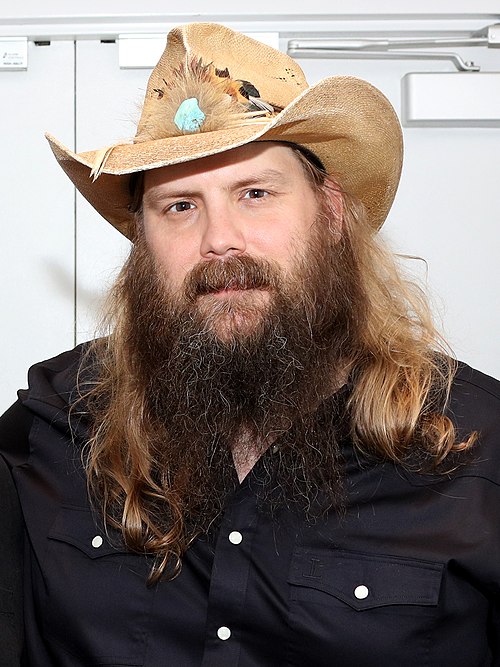
With all of that said, I still believe that the response and understanding has its greatest power and impact when people experience blues in its most basic and rawest form (I recently wrote an article on the difference between bands that play occasional blues songs and “blues bands.” You can find that here), but either way—whether it’s a standard “lumpty shuffle (think Pride and Joy)” played by a bar band, or the opening riff of an AC/DC song (unquestionably blues-based), people respond to this stuff. Look at the impacts that artists like Chris Stapleton and Sturgill Simpson have already had on the Country music world—Chris in particular is steeped in blues, soul and R&B. There’s also a reason that blues-based rock bands like Rival Sons, Tedeschi-Trucks and others have music in heavy rotation TV commercials and are now the chosen opening acts for big names like (another blues-based band) The Rolling Stones (a band named after a Muddy Waters song). Jack White was also just recently raging in all his blues-based glory as the musical act on Saturday Night Live and Larkin Poe just graced the stage on Jimmy Kimmel Live. There’s a spark here. We need to fan that flame and lead the charge in the next music revolution.  

How Did We Get Here? The roots of American music, the “British Invasion” and why all of this matters

I believe the first key to making this happen is to go back and find the roots that have defined so much of what we consider “American music,” and recent “revolutions” that made this possible. In a recent video done by YouTuber Rick Beato, he leads a discussion on this very topic (you can find it here). All involved agreed that popular music has lost something since corporate consolidation of media in the mid-90s (primarily as a result of the Telecommunications Act of 1996) and advent of Pro Tools (recording software) and the accompanying pitch correcting software. In Rick’s opinion, producers within these mega companies that have taken over media of all kinds, like clean, reproducible formulas and formats that fit into neat “grids” and boxes (like in most recording software). The “song products” of all genres that result are predictable, polished and neat, mostly all written by a handful of “ghost writers,” and created by computers and a handful of producers and studio people. The blues cannot fit into boxes like that—especially with regards to the mentioned pitch correction software. This music, and all offshoots of this music, are imperfect, often improvised, and based around musical “tension” and finding notes “in between”—notes that don’t fit neatly into western musical rules and forms, or grids and software. This is in part what makes the music exciting and what pulls the listener in, and gives it that deep, human element. It drips of angst and pain, the rawness of the history. It is what makes the music real and so much more than “12 bars” and a “pentatonic box.” This is true for traditional blues, as well as the “blues baby” mentioned above—rock and roll. As discussed in the video, this is what captivated the British artists in the 1960s, who took everything they could from American blues records and created something completely new that, ironically, took America by storm when it made the return trip (hence the description generally assigned—The British Invasion). Those British artists new all too well who they owed for their success and, as a result, many of their African American blues heroes, found new audiences and success with the assistance of the British kids who had named bands after their songs, covered their songs and, later, gave them top billing at rock venues. All of this revolutionized music in American and around the world.

Where Do We Go From Here?

So, what does this mean for us today?

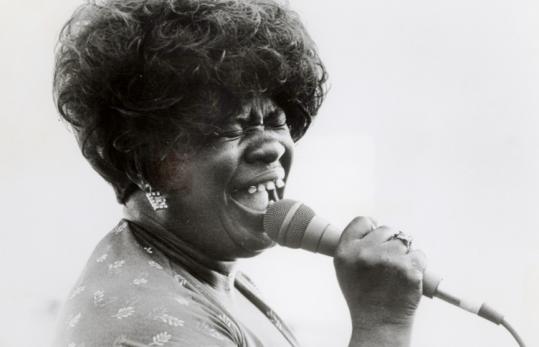
  • We need to go back to our roots—take a tip from Jack White, The Black Keys, Rival Sons, Chris Stapleton, Sturgill Simpson, Alabama Shakes, Larkin Poe and many R&B artists who found their voices and inspiration from Aretha Franklin, Etta James, Koko Taylor, James Brown and other blues and soul voices—and go back to where it started. Learn the songs, and the “vocabulary” of the music (beyond pentatonic scales and “12 bars”)
  • If you are a player or aspiring player, learn songs—traditional standard blues songs (contact me for a list). The art form is in those songs. This becomes the foundation you can build on. All the great rock players you know, especially those greats from the 60s and 70s who we see as “rock icons” today started exactly in this place too. They also borrowed (in some cases without credit) riffs and even songs from those traditional artists. This is controversial in itself, but it does show the depth of the influence.
  • Listen deeply and with our hearts to the power and essence of the music—especially those elements that carried over to soul, funk, rock, reggae, etc. and made American music what it is–“call and response,” “tension and release,” etc. 
  • Learn the history of the music and the unique places and artists that brought a range of elements from African, Native and European music forms and cultural elements together to create the American folk, jazz, and blues traditions that became the foundations for American music in ALL its forms.
  • Support artists that are carrying these traditions forward. There are a lot of young, new artists who are going deep and bringing these elements back into the mainstream (see some of the artists already listed above), including Marcus King, Christone “Kingfish” Ingram, Jackie Venson, King Solomon Hicks, Shemekia Copeland, Joanne Shaw Taylor, Josh Smith, and many more.
  • Join or help organize a local blues society in your area. Seek out clubs and other venues open to hosting shows and blues jams and work to get them involved along with any local artists and that are keeping the blues and other blues-based music alive. Hosted blues jams can be a key element for building a scene.
  • Share this music with young people every chance you get. I have had some astounding experiences as I share Muddy Waters or Aretha Franklin with young people in some of the work I do. This music has power.

Lastly, keep hope alive. Lately I have seen a lot of YouTube videos, Podcasts, etc. that seem to paint a picture of hopelessness with regards to music today and the elements of corporate power and mediocrity that are hell bent on keeping things as they are. People have always found a way to dig deep and find the next horizon. In fact, it often comes out of the depths of desperation and angst. In fact, in this instance, I think the power can’t be contained by its very nature. Let’s do this!

Play on!

Join our Facebook page Real Blues You Can Use for more discussions on these topics. For in-person or virtual lessons, coaching and mentoring with Mark, contact him at: imwiththebandmz@gmail.com and visit his website at: www.im-with-the-band.org.

Mark Zanoni

The Language of the Blues: Terminology and other things all players need to know

The great Etta James

There is a language that is common in blues music—terms and concepts commonly understood by players as way of communicating and talking about the music. Some terms mentioned may vary slightly, and I will note that as I discuss specific things below. Knowing these things will help you go a long way as a player at whatever level you operate—from an occasional jam session participant to a professional level player. In my experience though, much of this is not completely understood by all players today. I believe there are reasons for this, but primary among them is that people are not being taught in the way many of us learned things in years past–that person to person process of coaching and mentoring. Also, many available resources for learning “the blues” right now focus on things that may not ultimately be helpful or complete. Some these approaches can even become confusing distractions or “rabbit holes” that leave players with not much more than a “paint by numbers” understanding that barely resembles the real thing. I think it is the responsibility of all of us who care about the future of the blues to step up and do what we can to fill the void. There are many players hungry to learn and struggling to find a way in.   

Here are some key terms and information you need to know. Look for videos here that will be out soon to fill in more specific details on each of these points:

Sue Foley

“Playing by Numbers”: This is a common question at many jams (“Do you play by numbers?”) and learning what this means, and how it works, is critical. The concept is based on something called the “Nashville numbering system,” and essentially is based around the idea that there are chords associated with each note in a major and minor scale or mode. Blues differs from standard western music in some ways, owing in large part to the unique harmonic structure. I have done videos in the past that explain this and will do some additional articles and videos in the future. To keep things simple for our purposes here, many blues songs operate out of a progression of three main chords associated with the first, fourth and fifth notes in the scale or mode. Sometimes other chords are added in specific songs and progressions, however to start, it is important to Understand what the “one,” “four” and “five” chords (often written with Roman numerals) are, and where they fall within various progressions. Often on a band stand someone may call out a song and say something like (as an example), “this song starts on the five, walks to the four and to the one, follows a “straight 12,” but has a stop at the “turnaround” under the verses. The chorus goes to the four. Straight 12s for the solos.” Often the person leading a song on a bandstand or at a jam will hold up fingers to signal changes in chords that are coming—especially if the progression or specific song departs from a standard 12 bar format (see below). As you can see, there are also other terms that are used in this process. Here are a few more…

“The Turnaround:” The turnaround is essential what happens at the ending of each 8 or 12 bar progression. As the name implies, you are turning things around and coming back to a “beginning.” The blues is often cyclical in this way—although there are exceptions in specific songs that do not really have a turnaround in the strict sense. There are also many kinds of turnarounds. As you build your musical vocabulary and learn songs, you will add an array of turnarounds to your tool kit. Look for a video out soon on turnarounds, how they work and different kinds and approaches. You will find it here.

“Head:” This idea really comes from the jazz world and is essentially a theme or tune that comes into the song in the beginning and usually again at the end to close the song. Sometimes it is a tune or riff based on the song’s verses that may be played all or in part by an instrument in the beginning before the vocals come in. There are songs with very distinct heads that are known to many players and may be reprised and built upon with variations during solos. Examples include the introduction to T-Bone Shuffle, Little Walter’s Off the Wall, or the old jazz blues song Love Me or Leave Me that has been covered by many blues artists. Little Walter’s version of the Willie Dixon song My Babe also has a kind of head that is a repeated phrase that is a part hint towards the verse and tune to come. These are important parts of the blues vocabulary to learn for reasons I will touch on later.

Magic Slim Holt

“Straight 12” and other alternatives: A “straight 12” is a commonly understood progression of chords as described in the section on “playing by numbers.” There are many songs that follow this straight 12 format, however there are also variations, including something called “fast to the four,” and 8 bar and even 16 bar progressions. It is important to understand the standard progression as a path towards understanding the variations and exceptions. If you go to this video and either go to the links in the description, or scroll to 29:24 you will find a detailed description of what all of this means.

“It sounds like…:” Common riffs, Heads, etc.: Most all blues players have a catalogue of riffs, grooves, songs, etc. to draw from that are also often referred to as players communicate. Very often someone will say something like (as an example), “this song is sort of like Scratch My Back and follows the same progression. Watch me at the turnaround.” Most blues players will know what that is and be able to play the riff and adjust to changes that may be taking place. This catalogue is built by knowing songs. As I have mentioned before, this is critical for understanding and learning the genre.

“Lumpty”, “Texas,” “Uptown,” and more: “Shuffles” and other grooves you need to know: In many ways, the “the shuffle” is the quintessential blues groove. There are many kinds of shuffles and many of us have been taught terms to describe how to play them, and have a catalogue of songs that we can reference when someone calls up (for example) a “Texas” or “rub” shuffle as a way to describe the groove for a particular song. Here is a video with a rudimentary description of a shuffles of various kinds and standard rhythms to play with those grooves. Go to 4:40 in the video for this.

Other Common Rhythms and Grooves: The blues has a wide variety of other common rhythms and grooves from “latin” beats to “country type” 2/4 rhythms. Learning songs is the best way to familiarize yourself with how all of these work. If you go to 15:33 in this video you will find descriptions and examples of many common blues grooves and ways to play them as a guitar player. 

“Stops,”” Choruses,” and other things to watch for: Specific songs have certain things that are critical parts of the song. A stop is just what it sounds like—a point where the background music stops and usually the vocals continue. There are also blues songs that have a distinct verse and chorus format. Sometimes that is also a point of a key chord change in the song (often going to the “four” chord), or a point where a stop happens. Sometimes these things are signaled by the person leading the song and sometimes it is just assumed that you know where these changes take place.

The things listed here are really a starting point, but will give you a good foundation to build from as a way of learning about the blues genre and finding a way in as a player or fan. It is important to note that as you learn songs and all of the key parts of those songs, you may encounter variations and other key aspects that will build your blues vocabulary and knowledge base. In upcoming posts and videos, I will cover application of all of these things in the context of a blues band, key songs to learn, how to play common licks, riffs and grooves and much more.

Play on!

Join our Facebook page Real Blues You Can Use for more discussions on these topics. For in-person or virtual lessons, coaching and mentoring with Mark, contact him at: imwiththebandmz@gmail.com and visit his website at: www.im-with-the-band.org.

Mark Zanoni

Is There a Difference? Bands that play “Blues Songs” vs. Blues Bands

Otis Rush

This is a question I’ve been pondering for a while. There are a number of well-known rock bands that dive into “Blues songs,” from Jackyl to Van Halen and even AC/DC. There are also many bands of different kinds who will toss out the occasional (or maybe frequent) “blues songs,”—often a straight 12 slow blues or a “lumpty” like groove. Stevie Ray’s song Pride and Joy is common fare for many bands, as just one example. To my ear, there is a world of difference between the sound and feel of a blues song played by a rock band, and a blues song played by a real “stone” blues band—even if it’s the same song, or something structurally similar. But what are those differences?

(Note: I want to point out that, in no way is this a condemnation of rock, rock bands or the innovation and creativity in the rock world that has, and continues to, inspire all of us. I play in a rock band too and love most all aspects of that genre—including modern heavier rock. There are differences though, even when bands like this play “12 bar,” or other blues based songs, and I believe it is important to recognize this fact—hence the article. Here is a related article on rock, old and new, and my perspectives in that arena.)

Willie Dixon

To look at that, I want to go back to some things I have referenced in other posts. I have mentioned some of this before, but I want to fill in a few pieces to that story.

In my formative years, I was attracted to a particular sound that I came to understand as “blues.” Most of my favorite bands were “blues based” — Bands like Cream, Led Zeppelin, Humble Pie, The Rolling Stones, etc. and others. In liner notes I could see names like Robert Johnson, McKinley Morganfield, Chester Burnett, etc. listed and, while I had no idea who those people were, I was attracted to the form and feel of the songs attributed to them.

Several things happened that opened my eyes to new possibilities. I was a young college guy trying to figure out life, hooked on music, playing guitar when I could and listening to a LOT of different kinds of music. First, Lonnie Brooks appeared at my college—in the cafeteria right behind my dorm no less. I was stunned to my core. I had never heard anything like that. This set me on a mission. Over the next couple of years, I was able see shows by the great Magic Slim Holt, Jimmy Johnson, Bryan Lee, Sugar Blue and others. These experiences inspired me, but as much as I listened and practiced, I still struggled to get close to anything like that sound and feel.

Magic Slim Holt

It wasn’t until a chance encounter with Mark “Madison Slim” Koenig in a basement “jam session” in Stevens Point, Wisconsin that I at least understood a few things I was doing wrong. Mark (of The Legendary Blues Band, Jimmy Rogers band and others) told us in no uncertain terms that we were actually playing things wrong. It either wasn’t “swinging” OR we needed to “open things up,” “give space” and not play so ponderously and aggressively. I took the lessons to heart, went back to my records, took jazz lessons from a local guitar legend and tried to find some other chords and sounds that seemed closer to what I was hearing and what Mark was talking about.

Madison Slim Koenig

In time, I met some other players, learned a few more things, was encouraged to focus on learning songs (something that I found was key), and was given some tips on things to listen for and learn in those songs. Around that same time, we actually did start a band that we called “a blues band” and did our best with what we had and what we knew.

With an actual band to call our own, my bass player wife and I were on a mission, and for years we listened to nothing other than older blues artists– or modern players seeking that “older” sound–people like James Harman, Kim Wilson, Junior Watson, Ronnie Earl, etc. were in constant rotation on our stereo, along with Otis Rush, Albert King, Albert Collins, Little Walter Jacobs, etc. However, it wasn’t until a chance meeting with the great Cadillac Pete Rahn that things began to click for us. Pete joined our band and for two years schooled us on what to play, what not to play and how to make it work, before moving to New Orleans to play with the aforementioned Bryan Lee. Pete was my inspiration to pick up the harmonica too after he moved south, and taking up this other instrument opened some doors as I was forced to listen to other parts of the music and focus on other key things.

So, what were the differences that we discovered along this challenging, but amazing road to discover the blues. What made it different?

Cadillac Pete Rahn
  • The Rhythm: Blues bands swing and sway: There is a unique feel when a blues band dives into a “shuffle,” or even a slow blues. It swings in a cool way, and the rocking, often behind the beat, rhythm pulls you in. This is hard to describe. It’s something that needs to be felt. Rock bands that play blues type songs hit heavily and without much nuance, and often way on top of the beat. There is also often an emphasis on certain parts of the groove that make it hard to feel that “sway” and “swing”—or at the very least, an emphasis on aspects of the rhythm that makes it “heavy” (as Madison Slim described it), repetitive and ponderous. A blues band approaches many of those same grooves in a very different way.
  • Variety in the Kinds of Grooves and Rhythms Used: A shuffle played in one of 100s of ways may be followed by a rhumba, a 6/8 slow blues, a tune with a rock beat, etc. This is a part of what comes from understanding the history of the genre and being immersed in everything related to that awareness.
  • Dynamics and Motion: A blues band playing even a slow blues uses dramatic shifts in volume and movement to create tension and energy. Build ups, “drops,” and massive shifts in the way a “line” or rhythm moves will add energy and subtle (or not so subtle) shifts that pull the listener along.
  • Chords and Chord Voicings: Great blues keyboard players or rhythm guitar players find ways to use creative chord voicings, double stops or other rhythm figures to add tension, emphasis, “space” and color to the overall soundscape. Very often those chord voicings, inversions, etc. come from the jazz world, but are applied in unique ways in a blues context not typical in most rock bands.
  • Different ways of Playing with Certain Grooves: The other thing that great blues rhythm players do is find ways to pull the groove along by emphasizing “off beats” and “syncopation,” OR giving space by–as just one example–pushing the first beat in a measure and then an offbeat to give the groove that “swing” and “sway” motion mentioned above. Great players also vary things so that each time around on the 12 or 8 bar (or however the particular song is structured) is slightly different, especially under solos.
  • A Sense of History and “Vocabulary” of the Music: Great blues players know the genre and all of the subtle pieces of language and vocabulary that goes with it. You can hear in the variety of things played, the variations on “turnarounds,” “chord voicings” and rhythm figures, etc. It isn’t just ponderously one dimensional. There is “depth” to things and an obvious catalogue of riffs, rhythm figures, particular lines or “heads,” etc. to draw upon.  These things are woven into the fabric of the music intentionally too—and not just haphazardly thrown against the musical wall.
  • A Clear Understanding of the Language and Vocabulary of the Music: This comes out clearly as players communicate about grooves and song structure. Everyone knows what it means if you are told the song (as an example) is sort of “swinging” or “uptown” “shuffle”, that starts on the “V”, goes to the “IV” for the chorus and has “straight 12 solos.” Much of that awareness comes from having that sense of history mentioned, but also…
  • A Song Library: As mentioned in a previous post, learning songs from the great legends of the blues world was key to building the history and vocabulary. I believe strongly that the genre is in those songs—a catalogue of “turnarounds,”” heads,” grooves, rhythm figures, etc. comes from that catalogue. This is where all of that comes from and what helps carry the music forward. Knowing (as an example) how The Aces played Blues with a Feeling with Little Walter or the variations in structure that take place in My Babe or the incredible Mellow Down Easy, are things every player needs to know. I’m a big fan of The Aces by the way and will do an article soon just on their work and influence. This certainly isn’t where it ever ends though, but it is one thing that can make a difference between a player that “plays blues songs” and a player that plays The Blues.

One additional thing I will address in future posts is also the state of the blues world today. Even in the blues world, it is possible to miss many things I mentioned above, get stuck in assumption, stereotype in form, style, lyrical content, etc., and attempt to play this music missing many critical historical and foundational elements that I believe are vital to the art form.

Also, I am still learning and may always be. I did this article to begin a discussion about this, and I am curious what things you have noticed—either from experience as a player, or as a follower and fan of the music.

Join the discussion on this topic on the Real Blues You Can Use Facebook page. We will see you there.

Play on!

For in-person or virtual lessons, coaching and mentoring with Mark, contact him at: imwiththebandmz@gmail.com and visit his website at: www.im-with-the-band.org

Mark Zanoni

Learning to REALLY Play the Blues—Keys for finding your groove

Fenton Robinson

As we officially get back into the blues world after primarily being a rock, funk and soul band (Go here for more information on our band Big Road), I’ve done a bit of reflecting on this art form, how it works, the community that surrounds and supports it and everything involved in playing this music with the integrity it demands—or at least doing so to the best of our ability. Contrary to unfortunate popular opinion, playing the blues—REALLY playing the blues—is not easy. There are worlds of difference between bands who occasionally play a blues song, and bands that play THE blues. Learning this was initially a hard lesson, but we were blessed to have amazing teachers who helped us find the soul of the music and figure out how to grab a piece of it for real.

My Blues Story

I first gained a sense of this while in college in Stevens Point, WI. Lonnie Brooks was just starting to make a name for himself was playing the college circuit. I had heard some blues up to that point—but mostly blues songs played by Cream, Led Zeppelin or other rock bands. I loved that feel and vibe—or at least as much as they could deliver. I also knew that many of the songs I loved by those rock artists were written by other people—people with names like McKinley Morganfield (Muddy Waters), Chester Burnett (Howlin Wolf) or Robert Johnson. I didn’t know much about those people, but I was intrigued. I had just never had the opportunity to get close to the real thing. Lonnie blew me away. There was something different in what he did—a haunting depth. Sure there were parts of what he did that were similar to what my rock heroes played, but there was something else too. This experience started me on a search—a search that introduced me to a world. A search that continues to this day.

Lonnie Brooks

Over the next few years I got to stand close to some great players including Bryan Lee, Fenton Robinson, Willie Dixon, Taj Mahal, etc. One night in Madison, WI had had a chance to stand feet away from Fenton Robinson as he played. It sent shivers down my spine. It was like I was in the presence of royalty. I wasn’t sure anyone else there at the UW memorial Union heard it or felt it, but I did. I had decided shortly before that that somehow, some way I was going to learn to do that. It was honestly a struggle though and it wasn’t until much later that I had a chance to even get close.

After college I played in a few bands we called “blues bands.” We did blues songs and worked hard at it. I listened hard to records I found or borrowed and tried to get close to the sound, feel and timing. I wore out a lot of vinyl but still felt miles away. It wasn’t until a chance meeting and connection with a harmonica player who played with us for a couple of years before moving on to much bigger things. We met totally by accident. He had been mentored by a Milwaukee based guitar player—Bryan Lee–that I had seen many times and had tried to emulate. In the short time we worked together though, he helped immensely with a focus on what to play and when and (more importantly) what NOT to play. We also learned how a blues band worked. We played out a fair amount and it seemed that each time we played, something new came up. We grew a lot and by the time we parted ways, I had some sense for the first time of how things worked. His departure for the much bigger stage was also my motivation to learn to play harmonica. It was a sound I loved once it wasn’t with us. I think that learning that instrument also changed some of how I play guitar. Either way, it was a next step in the process.

Bryan Lee

What I Learned and How to Apply it

This brings me to some key lessons that I think are often lost as people try to learn blues today. There are things available that I certainly didn’t have. But also pitfalls and “rabbit holes” that can distract and confuse. This idea that buying a “Strat,” putting heavy strings on it (like Stevie Ray Vaughn did) cranking up a Fender amp of some kind and blowing pentatonic licks to a 12-bar backing track someone else created is “playing the blues.” It’s really about the same as what “paint by numbers” is to the art world. That isn’t to take anything away from Mr. Vaughn. He re-introduced the world to his heroes and the world they had handed him and brought blues to the mainstream. I think he would agree though that there is more to that world than even just the part he played in it, and he hinted at it in interviews and in his own body of work.

So what do you do? Here are a few things that I think can help base on my own experiences:

  • Listen to the masters. Magic Sam, Muddy Waters (McKinley Morganfield), Howlin Wolf (Chester Burnett), Freddie King, Albert King, BB King, T-Bone Walker, Willie Dixon, Little Walter Jacobs, etc. Those are the people that wrote the book. Go to the source.
  • Learn songs—especially the songs from the masters listed above. All of the key things are there—grooves and riffs, progressions (there is much more than standard just 12 bar), “turnarounds”, themes or “heads,”, etc.
  • Learn the language of the music. There is a language that blues players speak. Players “play by numbers,” know what shuffles (of all kinds) are (along with other rhythms), know a range of “turnarounds” and have a catalogue of songs, riffs and grooves that they can apply as they come up in other people’s music. Blues bands rarely practice and often, in many bands, there are rotating members who can step in and just do what needs to be done.
  • Listen to instruments other than your own. It is famously said that the great Duane Allman learned many of his slide licks by listening to harmonica players like Little Walter Jacobs. I always heard too that Little Walter picked up his tone and phrasing by listening to horn players. As I mentioned above, I believe that learning to play harmonica (or harp as it is typically referred to) made me a better guitar player. As I often tell students, there is a note that Little Walter played in the original Muddy Waters version of I Just Want to Make Love to You that kills me every time. It is the first note in his solo. It will change your life, and I don’t care what instrument you play.  
  • Hang out with other players: As I mentioned above, having a mentor in this world makes all the difference. Go to blues jams. Hang out with the people who seem to get how things are. Ask for help and advice. It is how you find your way.
  • Go to a LOT of Blues Jams: Speaking of blues jams, this is a key aspect of every music scene. Look for them. If you go, show up early, meet people and stay after you get up to play. If you know songs and can lead and sing those songs you will get to play more. I have a whole document on rules for success at blues jams. Send me an email and I can get that to you.
  • Repeat: This is a lifelong endeavor. I’ve been doing it for a long time and still feel like I have a lot to learn. As I said above, stepping back into this world has meant that I have to relearn some things, work on timing and phrasing again. It’s different than playing rock, soul, funk or any other similar music—even if that music is blues based, and even if bands you play in do an occasional “blues” song. 
Freddie King

Lastly it seems that, just as soon as you have things figured out, something new shows up. There are great new players out there now and a growing number of blues festivals that provide opportunities to listen, play and connect. There also seems to be more and more blues societies forming as a way to keep the music alive. Get involved if there is one near you or start your own. There are also a number of social media groups and forums that can provide support and ideas. Search around to find the right ones. They are not all created equal.

In future posts I will elaborate a bit on some of the details I listed above.

Play on!

For in-person or virtual lessons, coaching and mentoring with Mark, contact him at: imwiththebandmz@gmail.com and visit his website at: www.im-with-the-band.org

Mark Zanoni
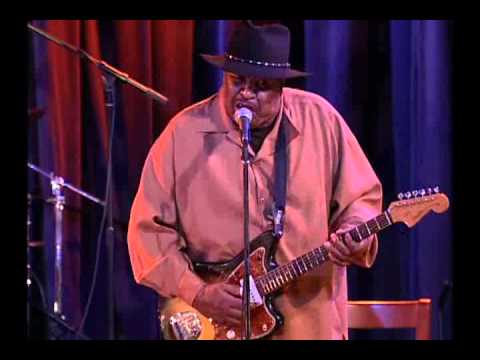
Great Records, Influences and Magical Moments in Music History

Bobby Whitlock and Duane Allman during the Layla sessions

A friend alerted me to something on YouTube recently that has become a favorite of mine. This channel has also brought me back in touch with what could arguably be two of the greatest records in the history of rock. A tall order I know but bear with me.  The YouTube channel is Bobby Whitlock and CoCo Carmel. Bobby was a major force in music in the late 60s and 70s and beyond. A monster talent who wrote or co-wrote some of the great music of that era. He was a part of two of the most influential collaborations in music history—George Harrison’s All Things Must Pass and Derek and the Domino’s Layla and Other Assorted Love Songs. Bobby and Eric Clapton wrote most of the music on Layla and other Love Songs. He was also the primary keyboard player, assisting with arrangements and horn parts, etc. on All Things Must Pass. CoCo is Bobby’s wife and is an amazing musician in her own right–A soulful singer, sax player and guitarist. The two of them have been writing and recording new music and doing acoustic and band renditions of music Bobby recorded in previous bands—especially those listed above. As it turns out she is also a great interviewer and prompts incredible insight, honesty, and depth from the series of interview sessions which have been going on for a few years. The interviews cover history, relationships, challenges, and successes (in music and beyond), personalities, collaborations, and many other aspects of Bobby’s storied career.

The interviews have taken me back to the two recordings mentioned above. It is amazing how fresh and powerful they remain, even today. Artistic creations even in their conceptions. Both fresh and full of soul and life.

George Harrison recording acoustic guitar during the All Things Must Pass sessions

These are masterful records. Mostly written and arranged on the spot–many songs the product of band jam sessions that were luckily captured on tape (real tape). This was especially true for Layla, but as Bobby points out, lots of the songs on All Things were arranged via similar sessions—but there were at least 3 songs that were products of jam sessions. Harrison of course also utilized the unique talents and vision of Phil Spector to produce the “wall of sound” energy for All Things Must Pass. However, it was the unique blend of musicians, many of whom would go on to celebrated careers of their own, including Whitlock, Eric Clapton, Gary Brooker (Procol Harum), Gary Wright, Alan White (Yes), Jim Gordon, Klaus Voormann (Plastic Ono Band), the members of Badfinger, Billy Preston and others. There was also guest appearances and visitations (Whitlock explains) by a handful of other famous artists of the time, including Ginger Baker, John Lennon, Yoko Ono and Peter Frampton. The record and its recording sessions were true “happenings” in the London music scene and defined an era. For many well-known artists, George’s All Things Must Pass sessions were memorable “where were you when” moments, and numerous people claim to have a been a part of the process as a result. It should be noted that Bobby disputes some of these oft repeated claims. His involvement cannot be disputed, however.

Derek and the Dominos during the Layla and other Assorted Love Songs sessions

Derek and the Dominos developed out of the core band for All Things Must Pass as Eric, Bobby, Carl Radle and Jim Gordon—who had all met a few years before as members of Delaney and Bonnie and Friends—forged a unit and vision during the All Things sessions. Clapton had grown tired of the “guitar God” image and had been searching for a more song driven, yet energetic collaboration—something he had failed to find in other previous endeavors, including Cream or Blind Faith. This amalgamation came together with a common vision, but according to Bobby, nothing solid as far as songs in the beginning. The songs and arrangements were born in jams, similar to how parts of the All Things sessions had been worked out, and the jams happened in two segments—pre-Duane, and with Duane. The Duane being Duane Allman of the Allman Brothers, who came on the project at the request of Eric Clapton after the band had attended a local Allman Brothers show. Duane was looking for something new at the time and was only too happy to join this crew. He joined the sessions in mid-stream and, according to Bobby, no effort was made to go back and have him add parts to any of the previously recorded songs.

 The overall sound of Layla is intentionally quite different from All Things, even though many of the musicians were the same. For one thing, it was recorded in the US at Criteria Studios and not at Abbey Road in London. Also, the players made conscious effort to move away from the Spector “wall of sound” concept and relied instead on executive producer Tom Dowd of Allman Brothers fame and a sound forged in collaboration, not design.  

Why do these records matter though and why I personally return to them time and again for inspiration:

  • For the most part they are recorded live, with a full band all in a studio at the same time. There were some overdubs done—especially some heavily overdubbed vocal parts on All Things—but much of the basic recording was done by musicians in the same room recording complete takes. Not that this was unique necessarily, it is just a key element that forged what the finished products ultimately became. They were collaborative pieces in the truest sense.
  • Both records are musical collaborations on the highest order. Bobby’s story of the song Keep on Growing (from Layla) is an example. The song was an impromptu jam captured on tape. Eric Clapton liked it and added some guitar parts in successive overdubs. Tom Dowd wanted to shelve the song, but Bobby Whitlock told him to hold on and ran out into the entryway where he wrote the lyrics in just a few minutes. He went back into the studio, called Eric in, and they recorded the vocals together off Bobby’s lyric sheet. This run-through included a mistake as Bobby came in too early on one section. The mistake stayed.
  • Mistakes and other imperfections are included, and you can hear them played repeatedly on classic rock stations. Listen to the outro section with the slide guitars over Bobby’s piano part (Updated correction: Bobby added to an original piano part that drummer Jim Gordon had recorded. The last section of Layla was Gordon’s idea added two weeks after the original session, an addition not supported by other band members) on the song Layla. Duane is noticeably “outside” many times. BUT this has remained an iconic part of the song…and history.
  • Songwriting was king. There are beautiful and masterful songs on both albums and the instrumentation fits everything. It isn’t just a set of two chord or classic “four sacred chords” formula songs (see my video here for more information). There are complex chords and key changes and solos that supported the songs—especially on All Things Must Pass. George’s slide work no doubt had a huge impact on other artists that followed, including the work of Badfinger who were present for the All Things sessions and worked with George on songs with similar parts on their album Straight Up.
  • Other improvised solos were full of passion and imperfections. There are missed notes here, and outside notes there. It was all included.
  • These albums influenced many that came after and songs from both projects are still radio staples. Listen to Straight Up or No Dice by Badfinger or Something/Anything by Todd Rundgren. There were connections between all these musicians and the legacy and musical lineage is obvious.
  • Energy and feeling is everything and you can feel it, warts and all—especially on Layla and other Assorted Love Songs (most every song),or on George’s impassioned vocals on many of the songs on All Things Must Pass.

We need to find a way to return to more of this kind of thing. Music is art after all. There are old sacred art traditions from around the world, where things created purposefully have imperfections woven or added in. I love this. It fits beautifully with the origins and philosophy of Rock and Roll—rebellion, non-convention, emotion and expression of life, spirit, and humanness. We are by definition imperfect. How is it possible to create true, honest art where perfection of any kind is the goal? Check these records out. You will not be disappointed

For in-person or virtual lessons, coaching and mentoring with Mark, contact him at: imwiththebandmz@gmail.com and visit his website at: www.im-with-the-band.org

Mark Zanoni

Questions Most Musicians (especially guitarists) Ask

I was listening to a great YouTube discussion between John Meyer and Paul Reed Smith. At one point during this very interesting and far-ranging discussion, John asked Paul, if he could go back in time and play through any rig, what would it be? (go to 20:00 for the question) Paul went with either Hendrix at Woodstock when he played Star Spangled Banner, OR David Gilmour’s rig during the Comfortably Numb solo. John went with Stevie Ray Vaughn’s rig at the 1983 El Mocambo in Toronto gig, just to (as he put it) “feel the air move.”  

What would I do? Like Paul, I think it would be tough to choose just one. Maybe it would be in the studio with Eric Clapton when he did the Mayall and the Bluesbreakers “Beano” session, OR at the Cream show later when he played the famous version of Crossroads that appeared on Wheels of Fire. There are questions and controversy with both. If I had to choose one, it probably would have been the “Beano” Album session. I would love to feel what a note coming out of that small Marshall amp Clapton used in that studio, especially from THAT guitar, was like. My other option would be Rory Gallagher’s rig the night he met a young Brian May. May, by his own account, was blown away and heard the future from that Vox AC30 amp of Rory’s. Was there a Dallas Rangemaster involved? What was that magic Brian heard?

Eric Clapton Recording with John Mayall and the Bluesbreakers

We all have questions like that. What first moved you to pick up a guitar and get motivated to figure out how to play it—and more than that dive into rock–or like me, the blues world? I missed the first Beatles extravaganza on the Ed Sullivan show—at least the first time around. I do know that 75 million Americans were glued to their TVs that night and that, by their own accounts, MANY famous American guitar heroes found their calling that night. For me it was the return of the “Fab Four” to the Sullivan show in 1970 with a movie (maybe the first music video) of them doing Hey Jude. I was in early middle school, had dabbled some with guitar but found most folk songs boring. BUT I wanted to do THAT. I felt chills. I wanted to sing like that too. The next big kick was hearing Cream’s version of Crossroads. At that point I was already digesting and trying to learn as many rock guitar songs as I could. I would sit listening to a local alternative station and try to play along (unsuccessfully) with everything. Hearing that song though, done that way, set me on a path. That next summer, attending a music clinic as a violin player, I stumbled into an evening lounge jam session where some older guys were jamming on a funky fusion song. The next day I wandered into my first guitar class taught by a local rock legend who helped me find some substance. I was hooked. To my mom’s dismay, I moved immediately from classical violin to rock and blues guitar. Shortly after that, Jeff Beck became my idol after I heard Blow by Blow. Then I heard BB King at Cook County Jail. I never looked back.

What were some of the big music moments that inspired you?

What artist would you like to spend one day with?

What questions would you ask?

Is there an instrument you didn’t learn in the past, that you would like to become proficient on now?

What other skills would you like to learn that may help you improve your work, grow your brand or improve your sound? Instrument set-up? Amp and pedal repair, modifying and maintenance? Video editing? Live sound? Livestreaming?

There are certainly others. We live in a golden age of learning today. Online courses with pros are easily accessible, even booking private lessons is possible. The pandemic may have really opened those doors as every artist was looking for creative ways to pay the bills. What I hope is that the personal connections that were so instrumental in my development and progress isn’t lost. There is no substitute for sitting in a room—whether in a jam session or in a private lesson or coaching session—and watching things happen in real time, being able to ask questions, get feedback and encouragement, etc. I learned how to set up gear, plug in and fire up a PA system.

 I have been privileged to have experienced all of that, be inspired by people I knew and met, and later, meet world class players and wander back stages or hang out in green rooms as I got to know them. I have actually been able to spend days with some of my heroes and, in reality, I didn’t ask any of the questions I had always envisioned I would—and that was alright. There is something to be said for just being, talking, sharing, laughing and being able to see that they are like you, struggle with some of the same things, aspiring always to more, and that they came from where you are now—and not that long ago. For me, that brought what I often saw in my youth as insurmountable heights, down to a real and attainable level. Someone has to make it. That someone could be you.

For in-person or virtual lessons, coaching and mentoring with Mark, contact him at: imwiththebandmz@gmail.com and visit his website at: www.im-with-the-band.org

Mark Zanoni

The #1 Thing Every Guitarist Needs to Know (if they want to play well with others in most band situations)

I posed this question on our Facebook page recently and got some interesting answers, all of which we will address in future posts. Most of what people posted were, interestingly, what I would call “soft skills.” In other words, skills related to interaction and connections within the band context. I agree that collaborative skills, personal responsibility, and commitment, being present and aware, etc. are all important things. In fact, regardless of playing skills, these may be some of the most important things to keep bands together and make bands stay together and grow together. However, I thin there are also some basic concepts, information and skills that also need to be present. That is what I want to address now, and I want to begin with something that I learned about after being in the business for several years. When I learned it, I initially discounted the importance of it, partly because I just assumed that this all of this may be self-evident to some extent—at least in the blues world where I first started. As my connections and opportunities expanded though, I found myself in other situations where knowledge of the concept I am going to address became essential and its importance and implications clearer, and I also discovered that I was missing some important pieces in the beginning and learning about those pieces opened a path forward that I didn’t know existed.

So, in this video I address one of the key things I see as foundational and also a doorway in many ways to understanding and applying many other concepts and skills—especially related to a working knowledge of music theory—especially awareness of modes, alternate chord voicings and inversions, creative rhythm, and soloing techniques etc.

The concept is the Nashville Number System. Check out this VIDEO for more details on this concept, ways to apply and use the information and knowledge, tips and tricks for applying the concept in understanding jazz, pop and country chord progressions, finding common tones for soloing, using creating and efficient chord shapes for creative comping and rhythm playing, etc.

Let us know in the comments what you see as the #1 thing or things all guitarists need to know for success in bands.

Mark Zanoni

Imwiththebandmz@gmail.com